May 27, 2026
Fires bring devastating consequences for properties, leaving behind a chaotic trail of destruction that demands immediate professional intervention. When disaster strikes, owners face overwhelming challenges ranging from structural instability to pervasive toxic residues. Recognizing the specific scenarios where professional fire damage restoration becomes essential is vital for minimizing property loss and ensuring occupant safety.
Prompt action during these critical moments can mean the difference between a successful recovery and permanent property abandonment. The recovery process involves a meticulous combination of structural stabilization, deep cleaning, and moisture control to return a building to its pre-loss state. Waiting too long to initiate cleanup efforts allows secondary hazards like structural collapse, hazardous soot exposure, and mold growth to take root.
Restore Severe Structural Damage
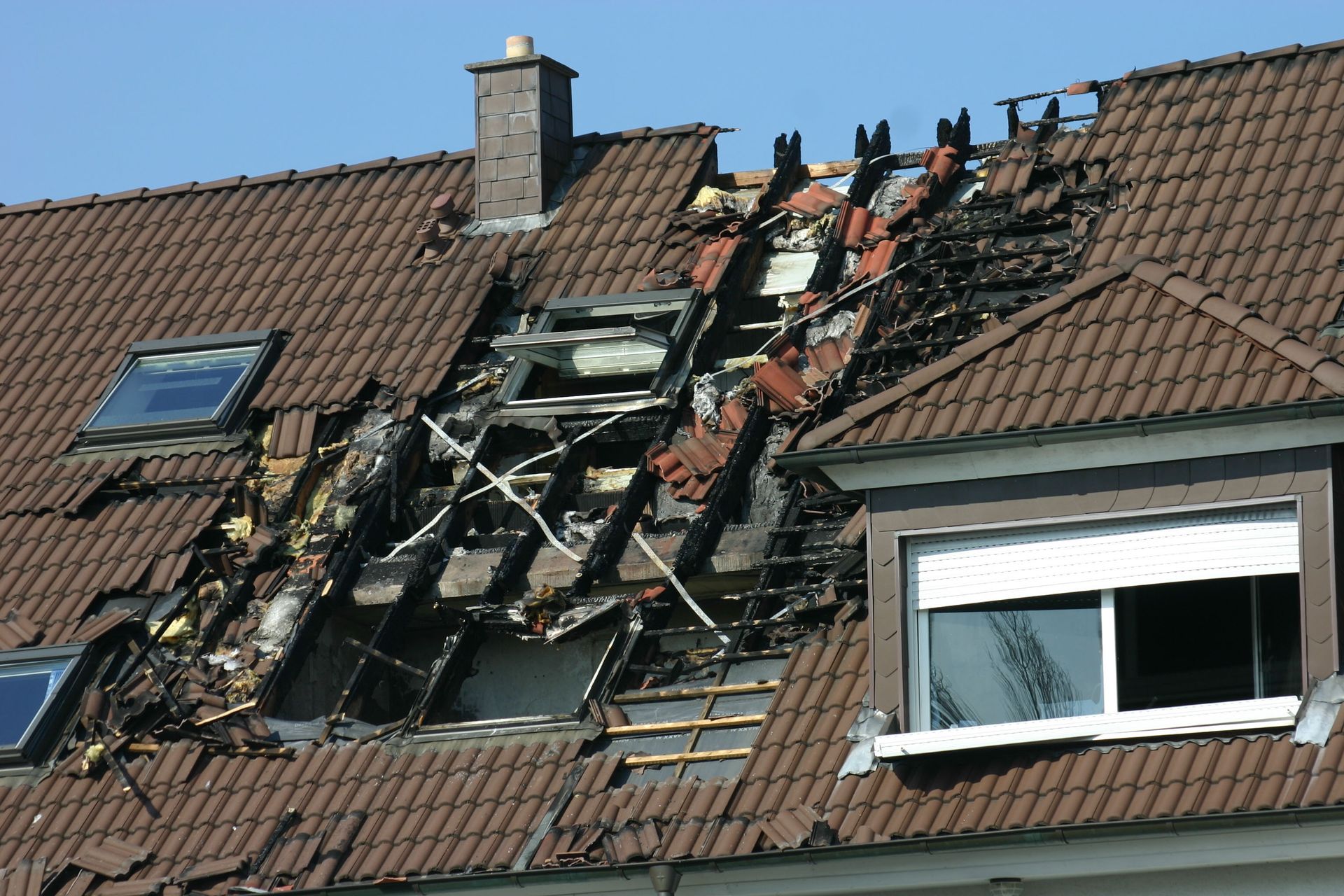
Severe structural compromise stands as an immediate hazard following a major property fire, threatening the core stability of the building. The intense heat alters the physical properties of framing materials, leaving support beams, walls, and subfloors severely weakened. Professional teams must quickly conduct a safety assessment to identify hidden dangers like charred load-bearing columns before anyone enters. Undertaking professional fire damage restoration at this early stage prevents catastrophic collapses and establishes a secure working environment.
Once initial safety hazards are mapped, emergency teams deploy temporary shoring and bracing to secure compromised sections. This stabilization process requires close collaboration with experienced structural engineers and construction experts who understand load distribution and material fatigue. Heavy equipment and steel reinforcement pillars are frequently utilized to prevent shifting walls from buckling under upper-floor weight. Securing the skeletal frame protects the property from elements and allows technicians to work safely inside without fear.
Property owners face a pivotal decision regarding whether to repair specific architectural components or completely rebuild parts of the structure. This choice depends on detailed cost-benefit analysis, historical significance, and local building code compliance guidelines. Integrating modern safety features, such as advanced fire-resistant drywall and upgraded electrical systems, is standard practice during reconstruction to prevent future tragedies. According to the US Fire Administration, residential blazes were most frequently triggered by cooking mishaps in 2023, highlighting why modern safety codes are essential.
Achieving long-term structural integrity involves using high-quality, durable building materials that enhance the resilience of the property against future stresses. Restoration specialists replace compromised wooden frameworks with reinforced steel or specialized treated lumber designed to resist fire and moisture degradation. Implementing green building practices during this phase satisfies environmental responsibilities while lowering operational costs. The success of any comprehensive fire damage restoration project rests on ensuring that foundational elements surpass original safety benchmarks.
Remediate Heavy Smoke Contamination
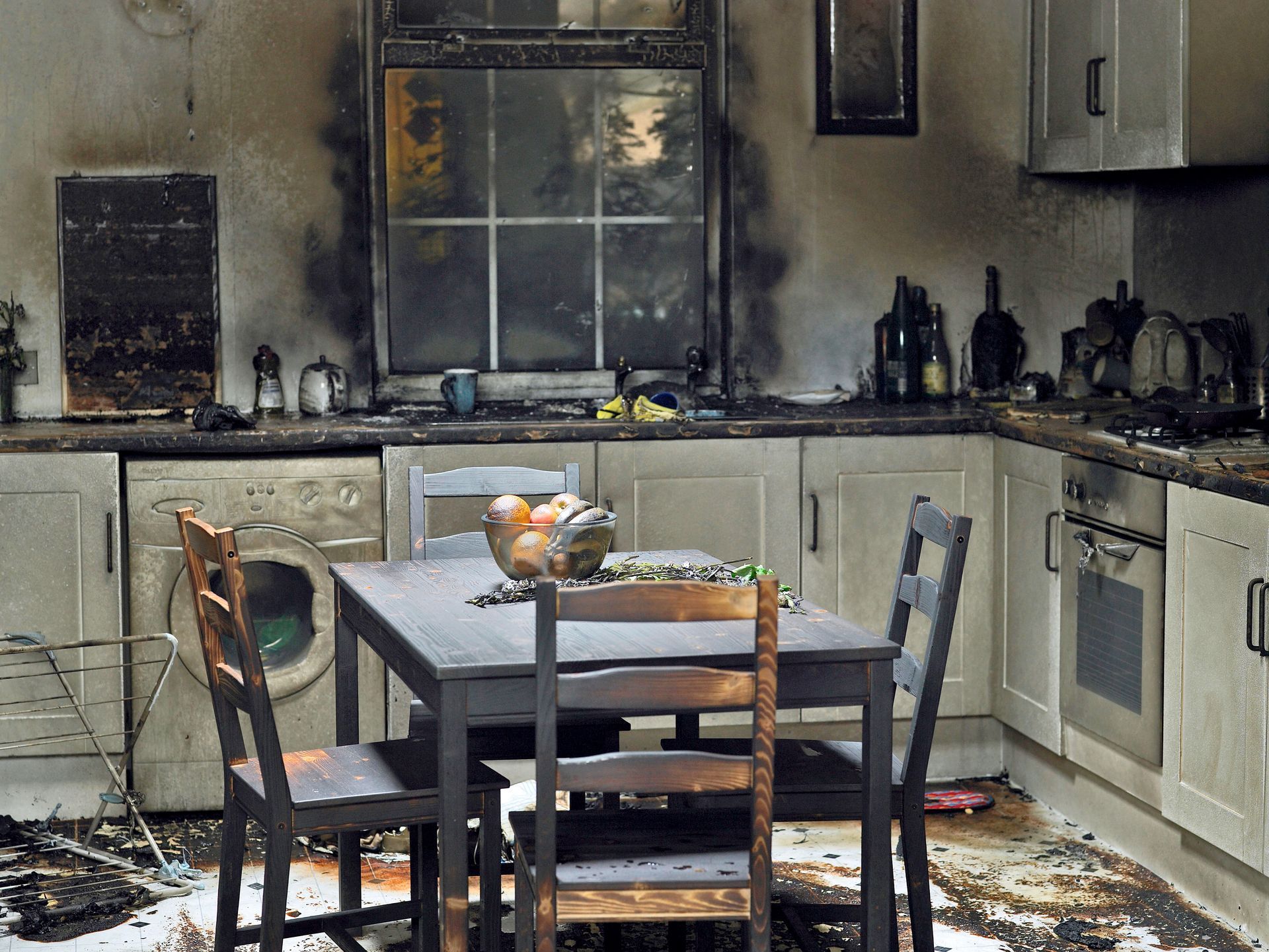
Smoke and soot contamination often extends far beyond the visible perimeter of the flames, penetrating deeply into porous materials and hidden cavities. Acidic soot residues quickly begin corroding metal fixtures, discoloring plastic surfaces, and permanently staining textiles if left untreated for a prolonged period. Technicians utilize advanced diagnostic tools like thermal imaging cameras to trace the precise path of smoke movement throughout the building. Locating these hidden pockets represents a critical step in planning comprehensive fire damage restoration.
The health hazards associated with lingering smoke particles pose severe risks to anyone occupying the building without appropriate personal protective gear. Smoke contains a dangerous cocktail of carbon monoxide, volatile organic compounds, and microscopic particulate matter that damages lung tissue and inflames respiratory tracts. Prolonged exposure to these airborne toxins can aggravate chronic conditions like asthma, creating unsafe living environments for children and elderly individuals. Prioritizing thorough soot removal helps mitigate these immediate medical risks, ensuring indoor air becomes safe.
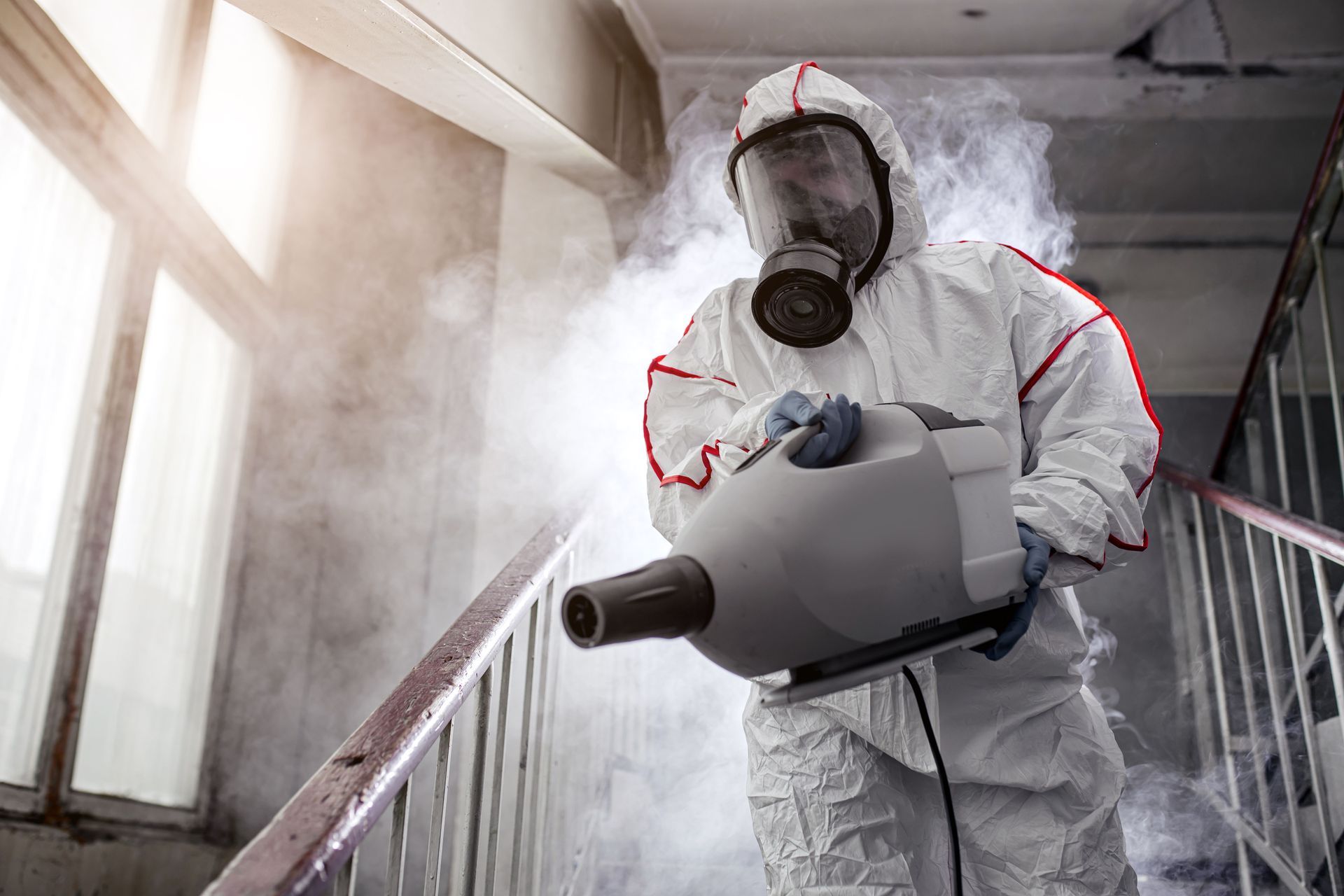
Employing industry-standard cleaning techniques is necessary to eliminate the complex chemical bonds formed by different types of smoke residues on surfaces. Technicians rely on specialized equipment like high-efficiency particulate air vacuums, chemical sponges, and thermal fogging machines to neutralize deep-seated odors. Protein-based residues from kitchen blazes require unique enzymatic cleaners, whereas synthetic smoke from burning plastics demands heavy-duty solvents. Adhering to these precise cleaning protocols ensures surfaces are fully restored to their pre-loss condition without sustaining additional damage.
Restoring indoor air quality requires a comprehensive approach that includes cleaning contaminated ventilation systems and deploying industrial air scrubbing devices equipped with charcoal filters. These powerful machines continuously capture airborne particles, preventing them from resettling on newly cleaned surfaces and causing secondary discoloration. Applying specialized sealants to wooden framing traps microscopic particles that cannot be physically removed, neutralizing future corrosion risks. Executing detailed atmospheric cleanup procedures remains a foundational pillar of successful fire damage restoration, transforming a contaminated property back into a healthy sanctuary.
Mitigate Excessive Water Damage
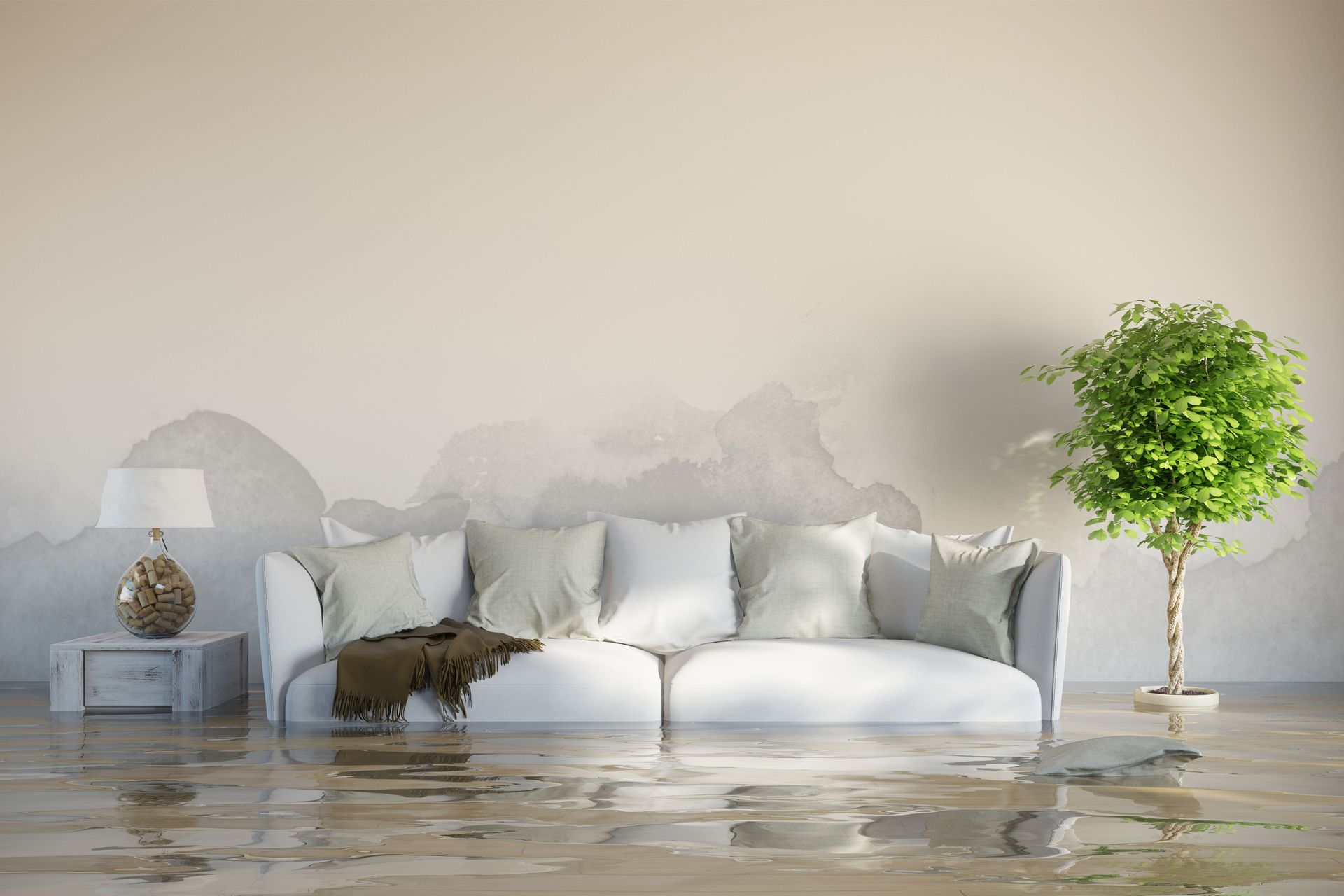
Water accumulation represents an ironic yet destructive consequence of the urgent efforts required to extinguish a raging property fire. Firefighters deploy vast quantities of high-pressure water and chemical suppression foams to douse active flames and cool smoldering embers within wall cavities. Automated ceiling sprinkler systems contribute significantly to the deluge, saturating drywall, carpeting, and valuable personal belongings across multiple floors. This sudden influx of moisture creates a secondary emergency demanding immediate fire damage restoration protocols to prevent structural ruin.
Deploying rapid water extraction methods stands as a top priority once the active fire is completely extinguished and the structure is cleared for entry. Industrial-grade submersible pumps, truck-mounted extraction vacuums, and heavy-duty water extractors work rapidly to remove standing pools from basements and saturated flooring. Removing bulk liquid quickly limits the depth of moisture penetration into porous wooden subfloors and drywall assemblies. This aggressive extraction phase sets the stage for drying, minimizing destruction inflicted upon property contents.
Thorough structural drying requires the strategic placement of high-velocity air movers and industrial dehumidifiers to extract deeply embedded moisture from building components. Specialists constantly monitor relative humidity levels and material moisture readings using specialized meters to ensure that the drying process progresses efficiently. Failing to dry hidden spaces behind walls and underneath cabinetry creates prime breeding grounds for toxic mold colonies at an alarming rate. Professional fire damage restoration must seamlessly address these hidden moisture pockets to protect occupant health.
Preventing mold proliferation requires applying approved antimicrobial treatments to all affected surfaces while carefully separating salvageable personal items from unsalvageable debris. Saturated drywall, insulation, and warped flooring must be completely removed to ensure that no hidden dampness remains trapped within the building envelope. Technicians work meticulously to document destroyed items for insurance claims while cleaning and restoring valuable documents and sentimental family heirlooms. Managing the intricate balance between water extraction, drying, and mold prevention ensures complete recovery from a disaster.
Recovering from a catastrophic property fire demands a swift, multi-faceted approach that addresses structural damage, smoke contamination, and extensive water intrusion simultaneously. Each distinct phase of the cleanup process carries its own set of urgent priorities, requiring specialized knowledge, technical skills, and industrial equipment to execute safely. Property owners must recognize that attempting to handle these complex cleanup tasks without professional assistance frequently results in prolonged delays.
Enlisting certified professionals ensures that every potential hazard is methodically identified, contained, and eliminated, giving property owners true peace of mind during a stressful period. Dedicated remediation teams work tirelessly to rebuild compromised frameworks, scrub hazardous soot residues, and dry out saturated structures using advanced scientific techniques. When disaster strikes your property, relying on experienced specialists is the most reliable way to guarantee a safe, thorough, and efficient transition back to normalcy. For comprehensive and dependable fire damage restoration, contact our team at Clean Care of New England today so we can help you reclaim your home.