September 17, 2026
The sudden aftermath of a residential or commercial disaster can be completely devastating, leaving buildings in structural disarray and property owners in a state of deep emotional shock. Whether dealing with a sudden catastrophic pipe burst that floods an entire commercial office complex or a fast-moving kitchen fire that compromises a residential property, the initial hours following the incident are critical. In these high-stress scenarios, specialized disaster response teams play an absolutely vital role in immediately stabilizing the property and addressing the underlying physical and environmental destruction. Understanding exactly what to expect from a professional flood and fire damage restoration company is crucial for orchestrating a fast, highly structured property recovery that protects both your real estate investment and your health.
True disaster restoration goes far beyond simple cosmetic cleanup, surface wiping, or basic debris removal. Certified recovery specialists provide highly technical engineering services, specialized structural moisture mitigation, and advanced molecular smoke neutralization tailored to specific burn profiles. Their extensive field expertise ensures that heavily compromised structures can be completely returned to a safe, sanitary, and structurally sound condition that meets rigid municipal building codes.
1. Initial Assessment and Evaluation
Immediately following a catastrophic property event, recovery teams must execute a comprehensive site evaluation before any physical cleaning begins. Technicians utilize advanced thermodynamic and structural monitoring tools to categorize the architectural impacts, mapping out invisible moisture pockets and compromised load-bearing assemblies. This detailed investigation forms the blueprint for the entire remediation project, preventing wasted resources and mitigating secondary losses.
Identifying latent safety hazards is a primary objective during this initial phase to protect workers and returning occupants alike. Structural degradation, toxic airborne particulates, and electrical short-circuits pose severe, immediate health risks.
The scale of modern atmospheric disasters demands swift, highly disciplined on-site triage. According to Climate Central, 2025 had 23 billion-dollar events with $115 billion in damages and 276 fatalities, heightening demands for swift property drying to prevent long-term habitability issues. This staggering reality underscores the importance of hiring an enterprise-level flood and fire damage restoration firm that can deploy instantly to stabilize high-risk structural environments.
2. Rapid Water Extraction and Structural Drying
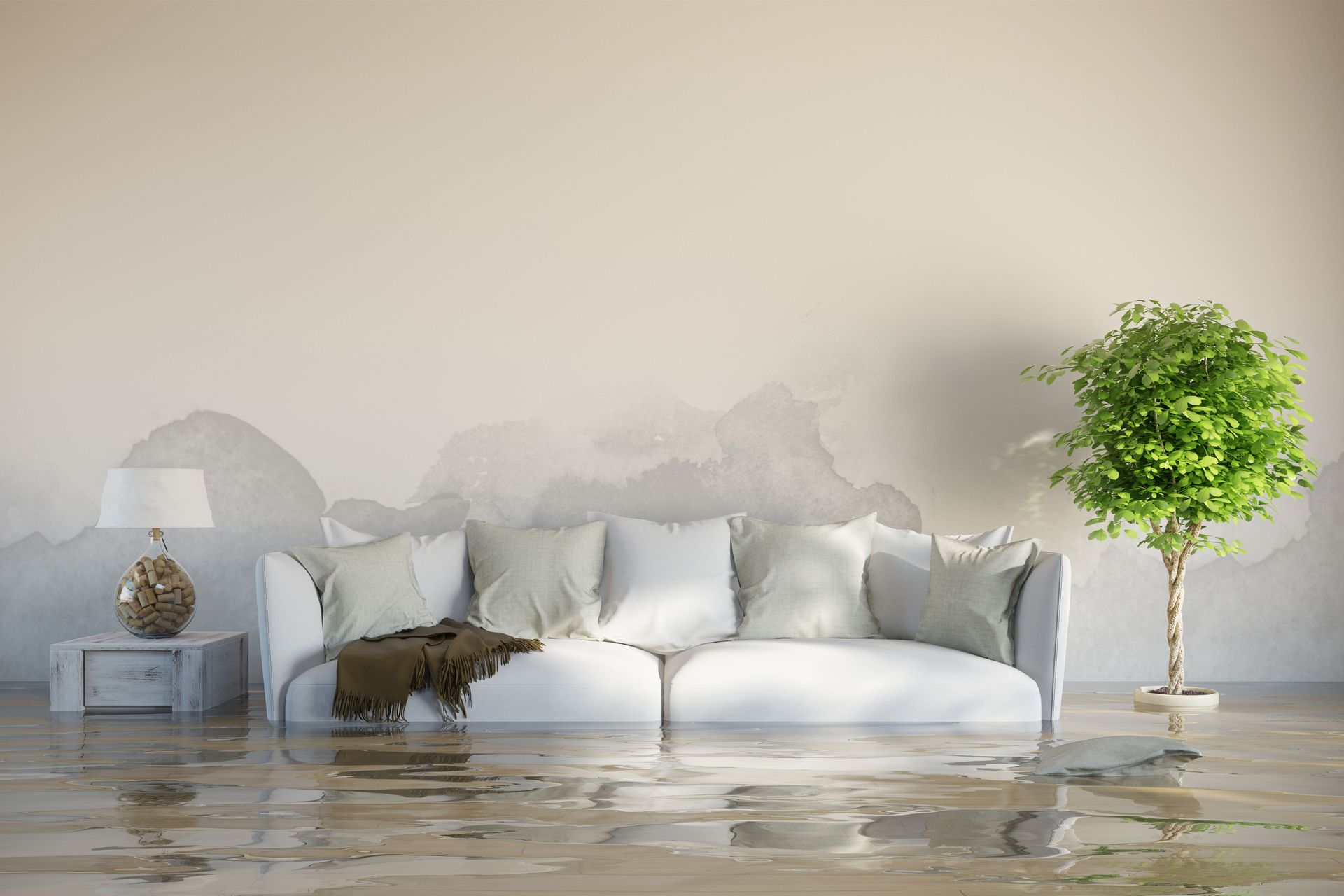
Standing water resulting from storm surges, burst plumbing mains, or fire suppression efforts requires immediate extraction to prevent irreversible material rot. Professional recovery teams deploy heavy-duty truck-mounted extraction pumps and industrial sub-surface vacuums to purge bulk water volumes rapidly. This high-volume removal is essential for limiting the capillary action that draws moisture deep into porous drywall, structural timber, and masonry insulation.
Once the bulk liquids are extracted, technicians initiate scientific structural drying protocols utilizing specialized psychrometric charts. High-velocity axial air movers and state-of-the-art refrigerant dehumidifiers are placed strategically to maximize evaporation rates.
Remediation experts continuously track drying progress using non-penetrating moisture meters and infrared thermal cameras to locate hidden saturation zones behind wall cavities. Maintaining strict control over indoor relative humidity levels is mandatory to permanently halt microbial growth and safeguard building habitability.
3. Smoke, Soot, and Molecular Odor Cleanup
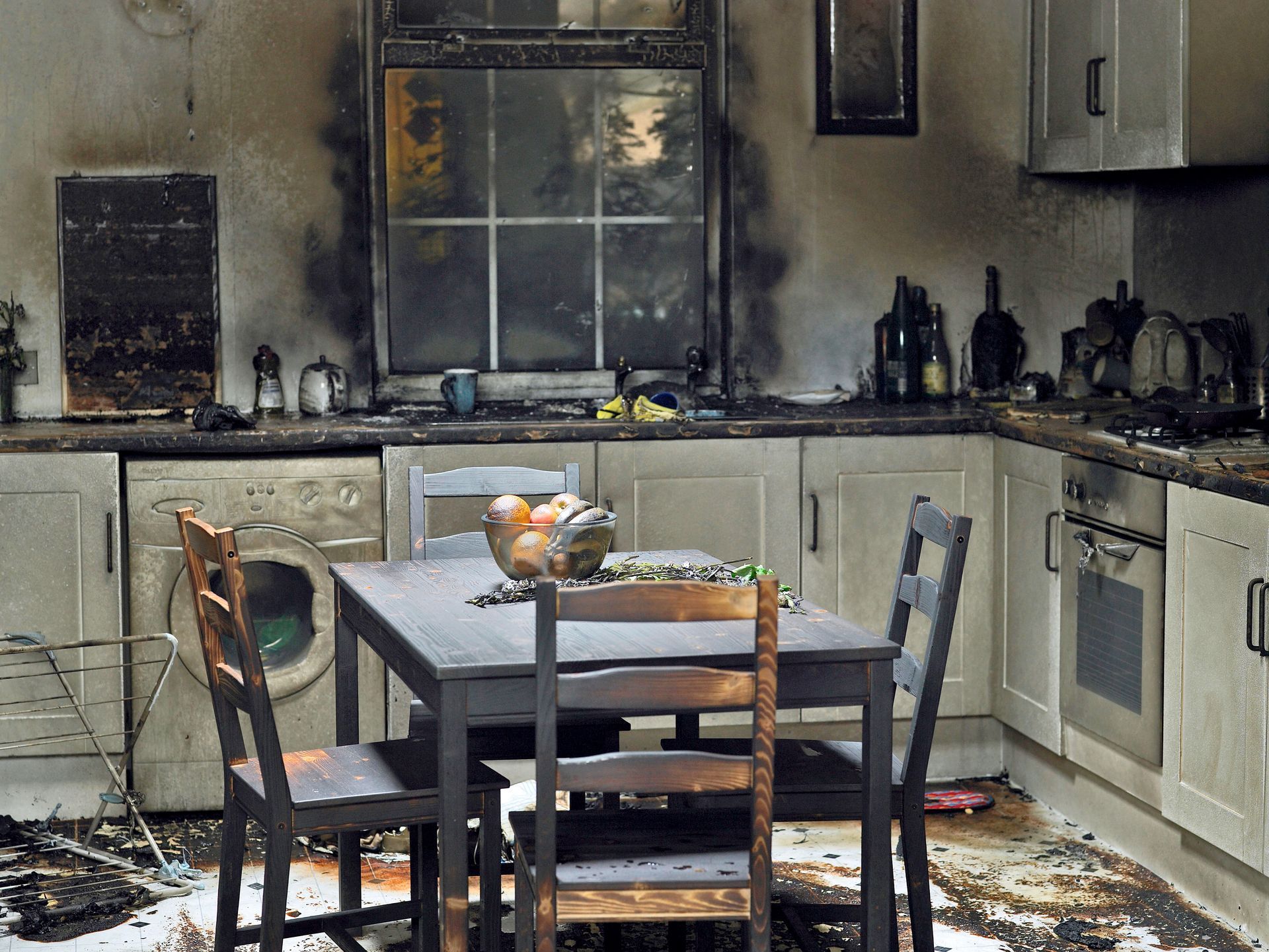
The toxic residues left behind by structure fires present unique chemical complexities that demand specialized neutralization compounds. Soot particulates are inherently acidic and chemically corrosive, meaning they will permanently pit metal fixtures, tarnish electronics, and discolor plastic surfaces if left untreated for more than a few days.
Experienced flood and fire damage restoration technicians analyze the specific smoke profile to deploy the correct chemical counter-agents safely. Specialized high-efficiency particulate air vacuums are utilized to capture loose carbon particles without scratching delicate building substrates.
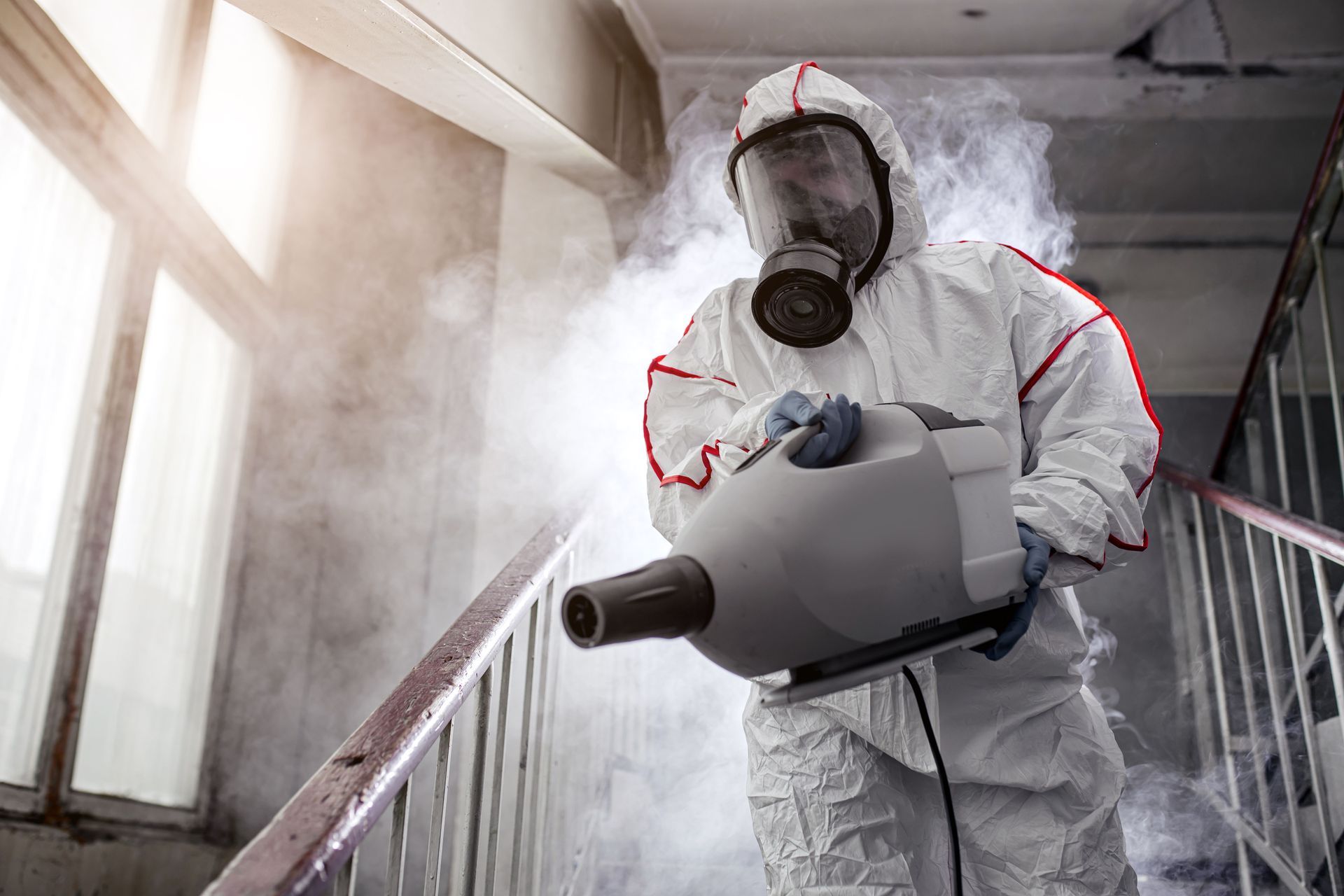
Simultaneously, air quality control specialists run commercial air scrubbers equipped with deep charcoal filtration matrices to pull volatile organic compounds directly from the atmosphere. To eliminate persistent smoke odors permanently, teams utilize advanced thermal fogging and hydroxyl generation systems, neutralizing smell molecules at a molecular level.
4. Comprehensive Structural Repair and Reconstruction
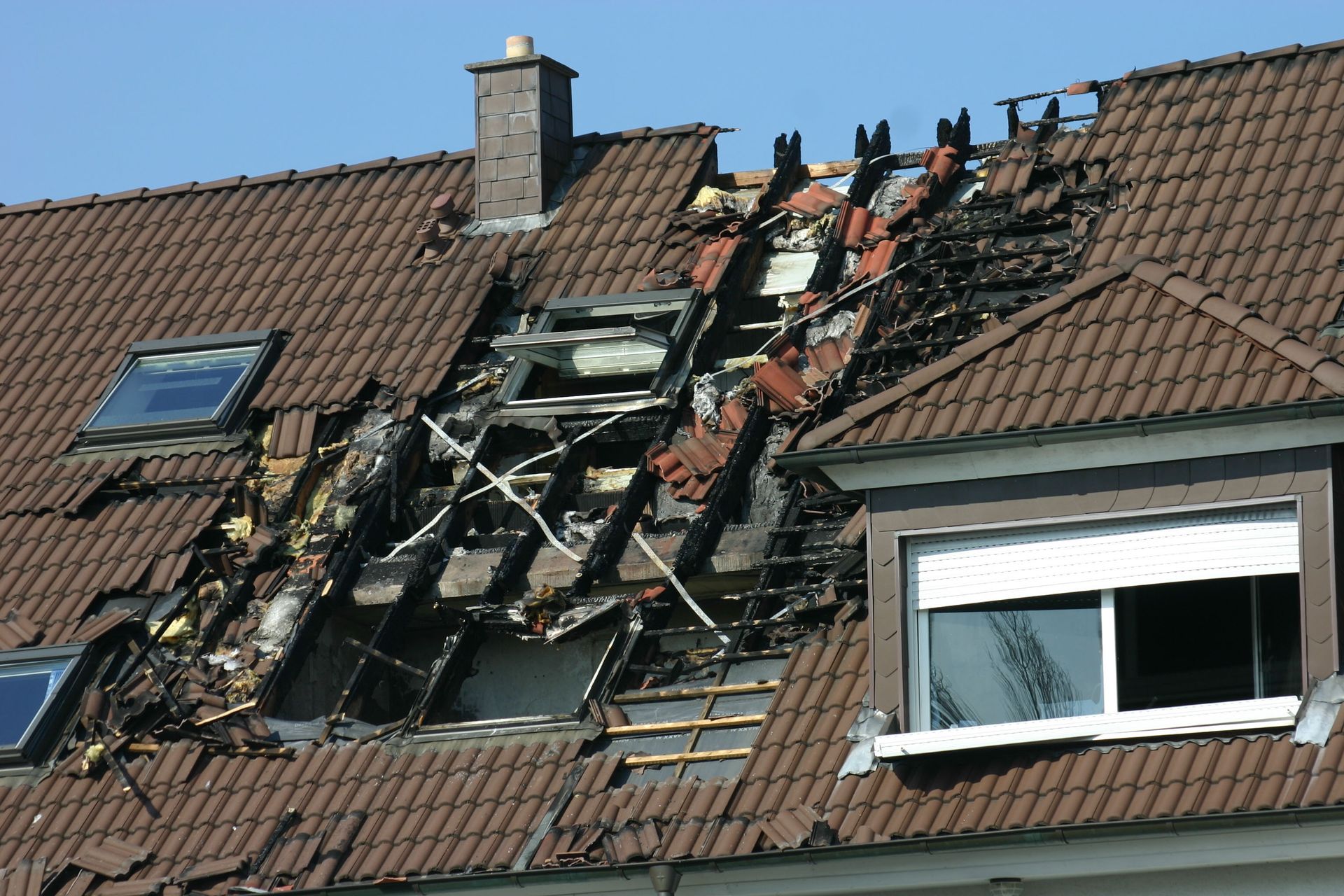
Once the environment is clean and dry, the project shifts from environmental remediation to physical rebuilding. Structural engineers assess the frame of the building to identify any load-bearing elements that require complete replacement or heavy reinforcement. A reputable flood and fire damage restoration general contractor manages this transition seamlessly, handling everything from rough framing to fine interior finish carpentry.
Reconstruction efforts also provide an excellent opportunity to upgrade the building's overall resilience against future environmental events. Crews ensure that all new structural installations fully comply with modern municipal building codes and zoning requirements. By integrating moisture-resistant framing materials, non-porous insulation, and fire-rated drywall, restoration teams rebuild properties to a higher standard of durability.
5. Managing Complicated Insurance Claims
Navigating the multi-layered insurance claims process following a major property loss can be an overwhelming experience for a property owner. Enterprise-level flood and fire damage restoration firms provide invaluable administrative support by generating highly detailed, line-item digital estimates using industry-standard platforms like Xactimate. This exact notation ensures that your claims adjuster receives the precise itemized technical data required to approve your payout without unnecessary delays.
Restoration professionals act as expert intermediaries, walking adjusters through the property to justify necessary mitigation steps, such as structural drying times or soot sealing. Their direct involvement ensures that policy exclusions are managed correctly and that coverage limits are maximized, drastically reducing your out-of-pocket capital expenditures.
6. Post-Restoration Support and Preventive Care
The restoration lifecycle does not simply end when the final coat of paint dries on the reconstructed drywall. Elite flood and fire damage restoration firms execute strict post-remediation clearance testing to guarantee that the property is completely free of elevated airborne mold spores or toxic chemical particulates. Any minor aesthetic discrepancies or lingering odors are immediately documented and corrected during these final walkthrough inspections.
Furthermore, field directors provide property owners with customized ongoing maintenance manuals and proactive disaster prevention advice. These guides outline early detection strategies, including the installation of automated main-line water shut-off valves and strategic commercial smoke monitoring grids. By educating facility managers and homeowners on how to respond to early warning signs, restoration experts empower clients to successfully safeguard their newly restored real estate investments against future environmental threats.
Relying on a full-service flood and fire damage restoration provider provides modern property owners with a reliable, scientifically driven path toward complete structural recovery. By seamlessly combining initial thermal diagnostics, high-volume fluid extraction, precise smoke chemistry neutralization, and code-compliant general contracting, these certified specialists transform completely ruined structures back into safe, operational environments. Proactive management of the digital claims process further cushions the financial impact, ensuring a smooth, fully funded transition from disaster to long-term stability.
Managing a major property catastrophe is an intricate race against time, where every hour of delay allows soot acids to corrode fixtures and stagnant water to undermine foundational sub-floors. Utilizing a unified, turnkey restoration strategy removes the operational friction of hiring separate contractors, streamlining everything from initial water extraction to final paint applications under a singular, cohesive project timeline.
When a property suffers severe environmental contamination, hiring uncertified contractors or delaying your emergency mitigation can cause permanent structural dry rot, hazardous mold proliferation, and toxic air quality that leaves a building entirely uninhabitable. True restoration excellence demands certified psychrometric technicians, multi-million dollar liability coverages, and advanced chemical engineering systems that protect your real estate assets over the long term. To stabilize your property assets immediately, minimize costly secondary structural losses, and ensure a flawless, fully warranted structural recovery from the very first day, turn to the emergency response team at Clean Care of New England.