November 5, 2026
When sudden disaster strikes a residential or commercial property, the first two days dictate whether the structure can be salvaged or lost to irreversible ruin. Understanding the critical challenges posed by disasters during this tight timeframe is vital for effective response and sustainable recovery. A property owner's initial decisions can mean the difference between an orderly rehabilitation and prolonged emotional and financial distress. Because building materials such as drywall, framing timber, and insulation deteriorate rapidly when exposed to moisture or corrosive smoke, swift action is non-negotiable. Mobilizing certified flood and fire damage restoration teams during this window stabilizes the environment and preserves structural integrity. Through proactive planning and disciplined action, property owners can safeguard their investments and begin their journey back to normalcy with confidence.
Understanding the Critical 48-Hour Window
The chaotic period following a catastrophic incident is known as the 48-hour trap because hidden hazards compound exponentially with each passing hour. Property owners frequently experience shock and hesitation, unsure of whether to wait for insurance adjusters or initiate immediate cleanup. However, lingering moisture fosters hazardous microbial growth within twenty-four to forty-eight hours, while acidic soot etches glass, metals, and polished surfaces. Establishing clear recovery priorities immediately prevents a localized incident from spiraling into an unmanageable crisis. Qualified technicians specializing in flood and fire damage restoration understand how rapidly secondary destruction multiplies, making rapid containment an urgent priority. Focusing on life safety, structural stabilization, and immediate extraction preserves salvageable assets and significantly lowers long-term rebuilding costs.
Mitigating Immediate Health and Safety Hazards
Personal safety must supersede all property concerns in the wake of any major catastrophe. Inundated buildings present severe shock hazards from submerged electrical panels and live wiring, alongside water-logged ceilings at risk of collapse. Concurrently, fire-damaged environments contain carcinogenic soot residues, airborne carbon particles, volatile organic compounds, and compromised load-bearing beams. Entering an unchecked structure exposes occupants to acute respiratory trauma, chemical burns, or debilitating physical injuries. Mitigating these hazards demands shutting down main utility feeds, ventilating toxic fumes safely, and donning personal protective equipment such as N95 respirators and heavy work boots. Prioritizing systematic safety protocols guarantees that initial property assessments proceed without risking human life.
Coordinating Emergency Logistics and Communication
Navigating the immediate aftermath of property destruction requires clear communication and disciplined logistical coordination. Impacted individuals must swiftly establish contact with local emergency responders, municipal utility providers, and their insurance carriers. Comprehensive documentation must begin immediately; taking high-resolution photographs and cataloging damaged rooms before moving any items provides critical proof for claim adjusters. Furthermore, having pre-established access to professional flood and fire damage restoration specialists ensures that industrial equipment arrives on-site without costly delays. By tracking all communication logs, claim numbers, and contractor estimates, property owners maintain transparent control over the recovery process, preventing costly misunderstandings and expediting vital insurance approvals.
Securing Damaged Perimeters and Structural Frameworks
Leaving a disaster-stricken property open to the elements or unauthorized intruders invites further catastrophe. Compromised roofs, shattered windows, and burned structural openings leave buildings vulnerable to inclement weather, wildlife intrusion, and theft. Emergency board-up services and temporary weather-tight tarps are essential barriers that protect the interior while formal evaluations take place. Law enforcement and insurance underwriters routinely emphasize the necessity of securing hazardous perimeters to prevent secondary liability claims. Deploying comprehensive emergency mitigation protocols early involves constructing temporary support shoring, locking down access points, and installing perimeter safety fencing. Protecting the physical shell gives technicians a secure platform to execute subsequent recovery phases safely.
Managing Water Intrusion and Deep Structural Saturation
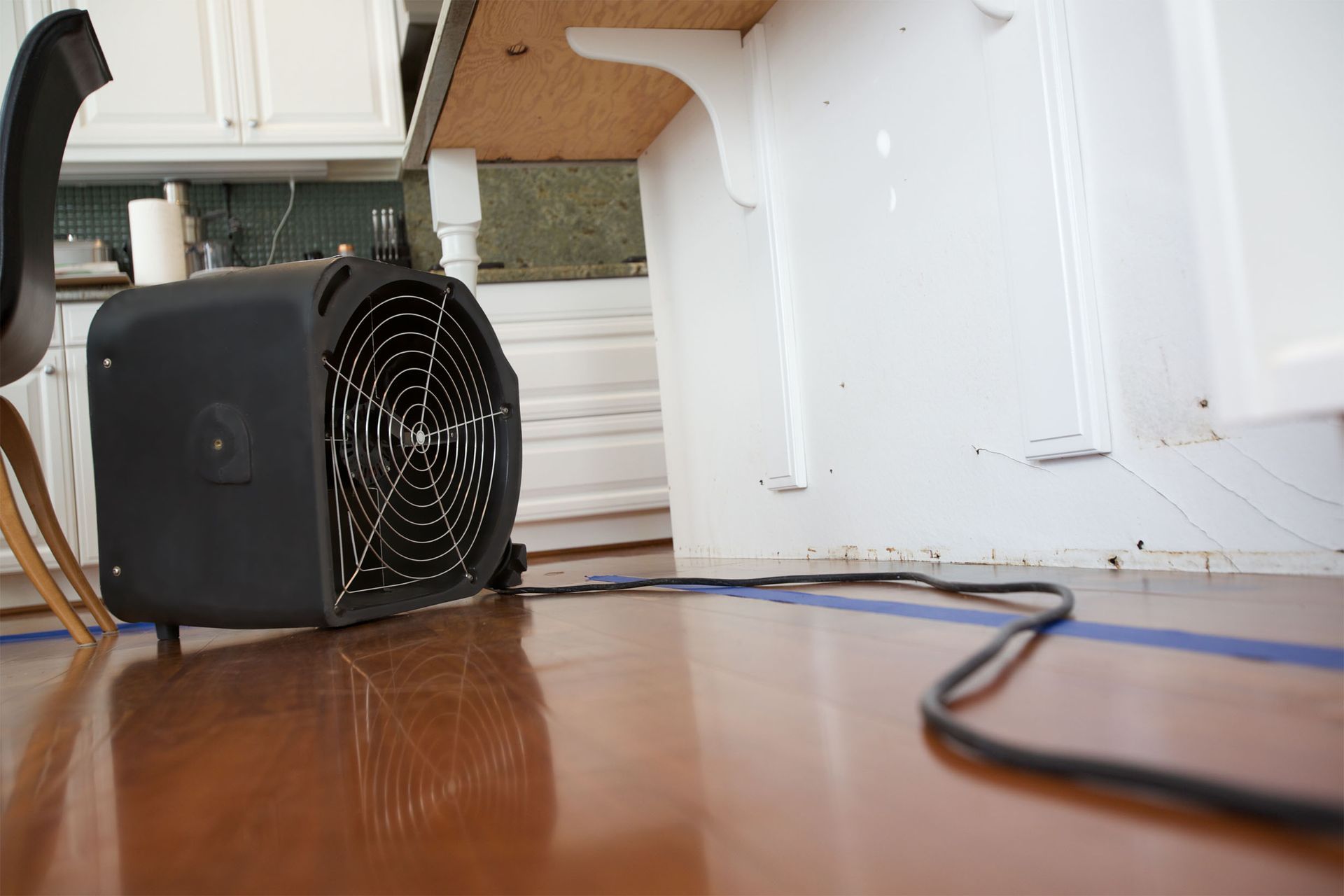
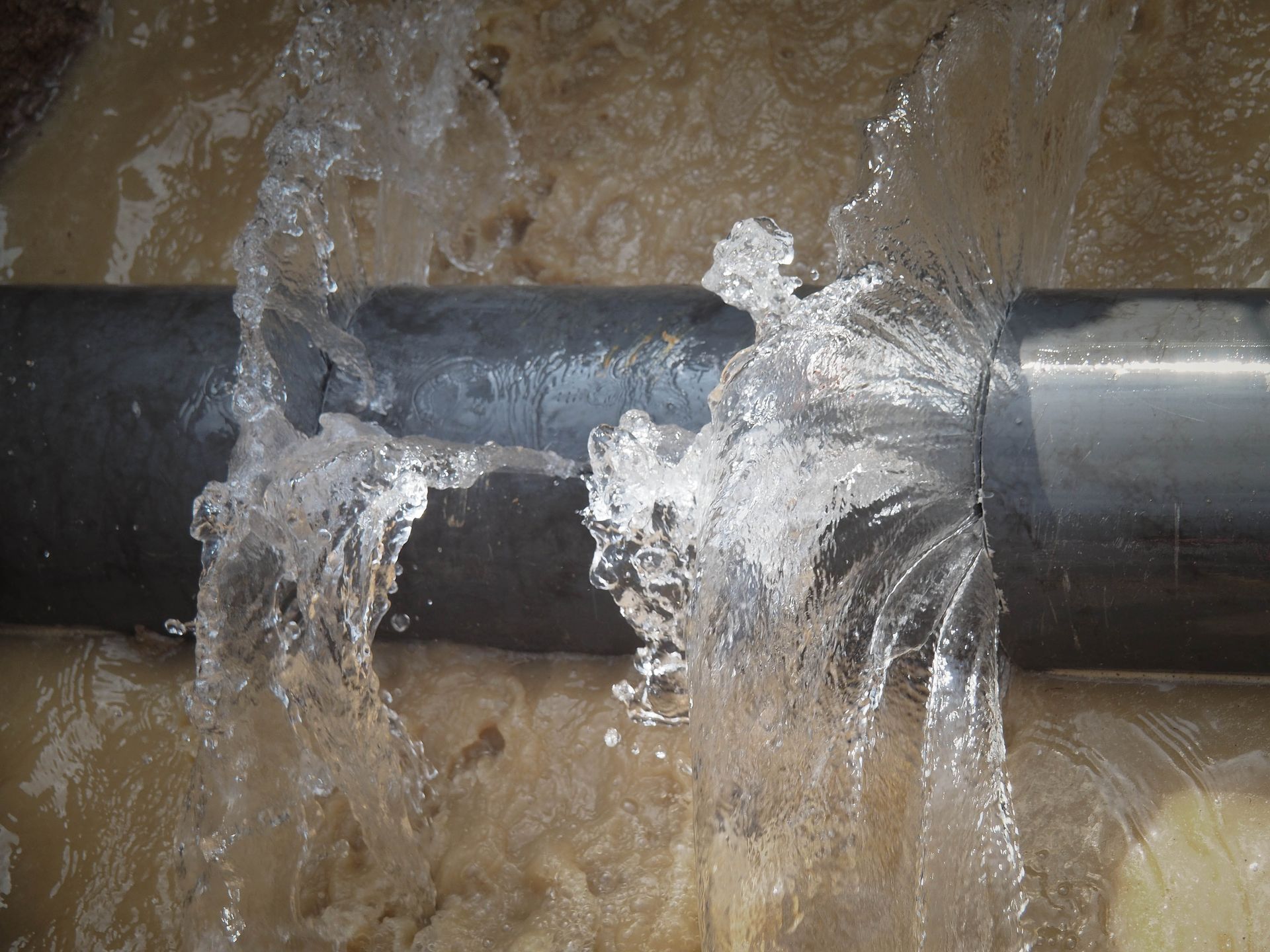
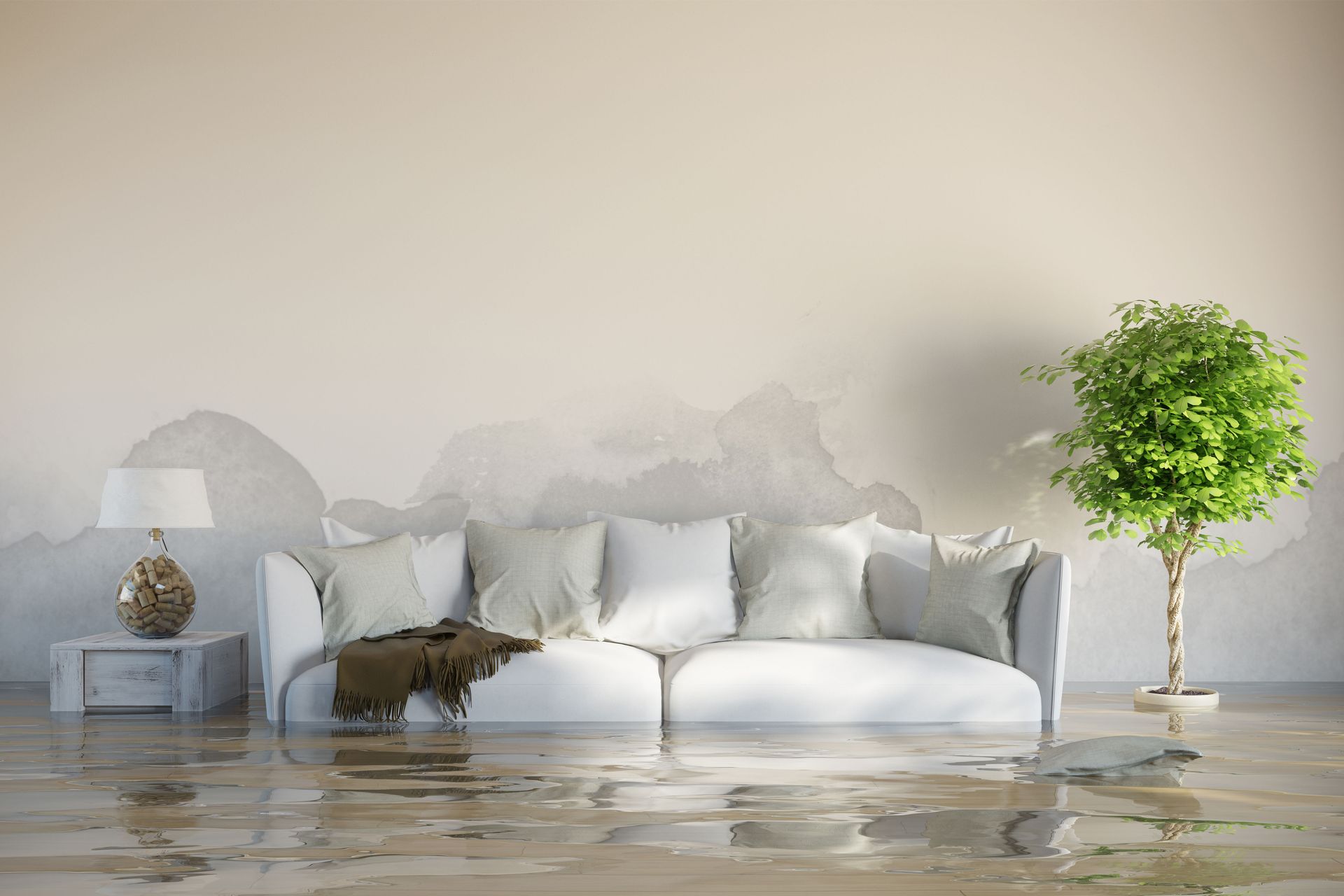
Water from burst pipes, severe storms, or high-pressure firefighting hoses behaves aggressively inside enclosed buildings. Moisture quickly travels down the path of least resistance, pooling beneath subfloors, migrating behind wall cavities, and saturating porous building materials. If standing water is not extracted within the first day or two, framing begins to warp, drywall delaminates, and adhesives disintegrate. Standard consumer equipment cannot pull moisture from deep within structural timber; specialized flood and fire damage restoration equipment, including industrial submersible pumps, high-velocity air movers, and commercial desiccant dehumidifiers, is indispensable. Rapid moisture extraction halts the degradation of structural elements and significantly curbs escalating repair costs.
Neutralizing Biohazards and Environmental Contaminants
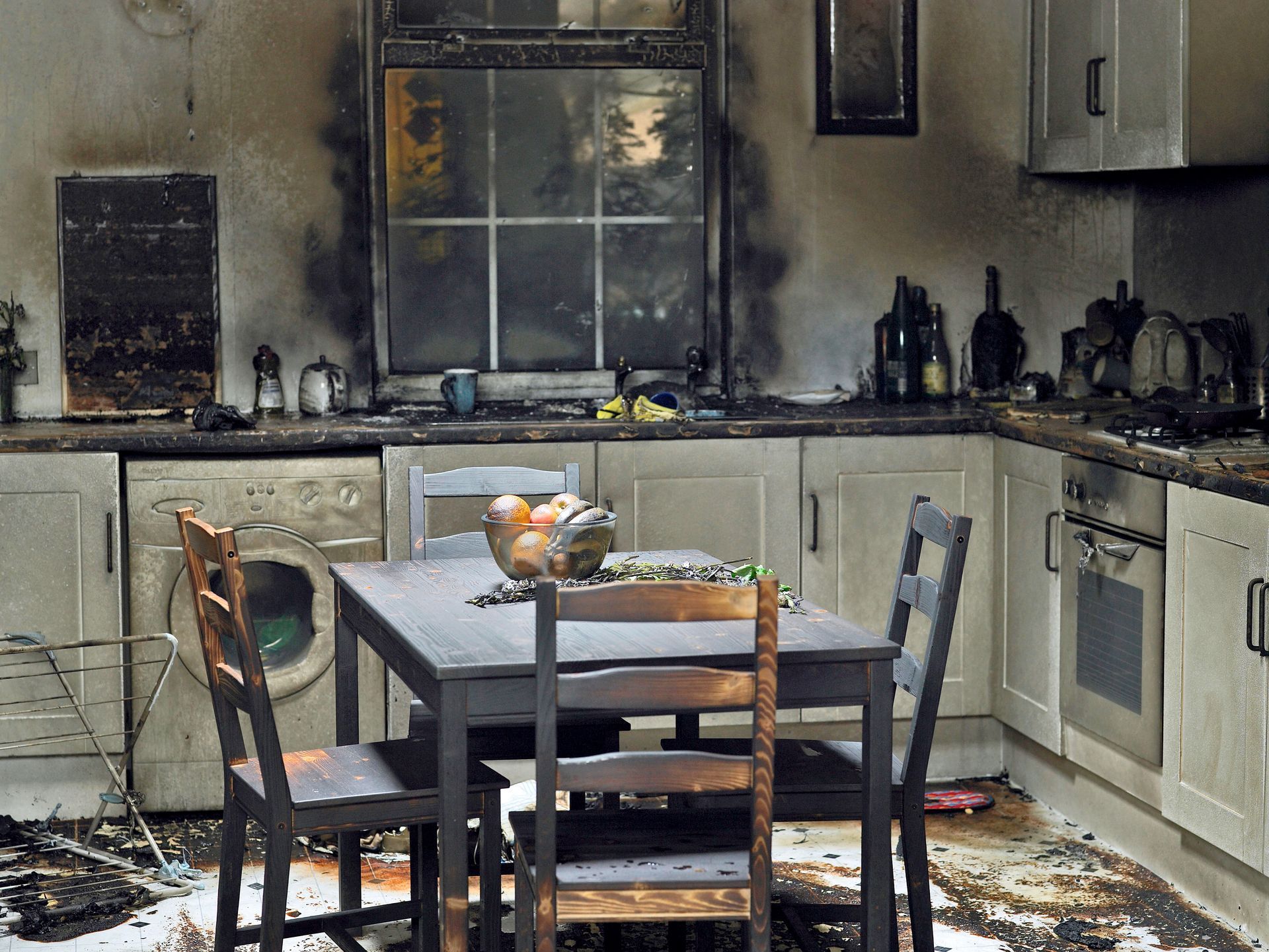
Severe water and fire disasters introduce hidden contaminants that threaten long-term indoor environmental quality. Inundation often carries Category 3 black water, which includes raw sewage, agricultural runoff, heavy metals, and pathogenic bacteria that saturate household surfaces. Fire events generate microscopic carcinogens, polycyclic aromatic hydrocarbons, and acidic soot particulates that settle into HVAC ductwork and soft furnishings. Neglecting deep decontamination creates persistent biological hazards that endanger residents long after standing water is gone. Proper remediation requires industrial-strength antimicrobial washes, HEPA-filtered air scrubbers, and thermal fogging treatments to eliminate biohazards. Ensuring thorough sanitation transforms damaged spaces into safe, healthy, and fully habitable environments once again.
Assessing Infrastructure Impact and Repair Timelines
Assessing the broader financial and logistical scope of property damage demands realistic expectations and meticulous calculation. Hidden structural damage, such as rusted electrical conduits, compromised plumbing lines, and foundation fractures, often requires extensive trade work. Navigating these unexpected expenses places a profound strain on household finances. According to The Zebra, 40% of homeowners say they couldn’t absorb a $5,000 emergency. Consequently, unanticipated disaster expenses can rapidly exhaust emergency savings or derail financial stability if containment is delayed. Implementing proven flood and fire damage restoration measures mitigates runaway expenditures by halting progressive destruction before minor damage requires complete structural replacement.
Combating Toxic Smoke and Degraded Air Quality
Even when a fire is confined to a single room, fine soot particles and caustic gases circulate freely through ventilation systems, penetrating adjacent spaces. Inhaling lingering smoke residue irritates the respiratory tract, worsens chronic ailments like asthma, and embeds foul-smelling chemical compounds into framing and insulation. Merely opening windows or masking odors with air fresheners fails to resolve the underlying hazard. True remediation requires specialized flood and fire damage restoration techniques, such as deploying hydroxyl generators, ozone treatments, and continuous HEPA filtration systems. These advanced technologies capture microscopic toxins and permanently eliminate pervasive smoke odors, restoring healthy indoor air quality throughout the property.
Salvaging Irreplaceable Valuables and Personal Possessions
Amidst structural destruction, recovering personal keepsakes, family heirlooms, critical records, and sentimental items is often an owner's most urgent emotional priority. Personal belongings subjected to high heat, corrosive soot, and damp conditions deteriorate rapidly unless treated within the critical 48-hour timeframe. Acidic soot will permanently pit antique metals, stain delicate textiles, and corrode sensitive household electronics within days. Professional conservators utilize ultrasonic cleaning tanks, freeze-drying technology for waterlogged documents, and specialized dry-chemical sponges to rescue precious items. Integrating content cleaning into flood and fire damage restoration plans minimizes permanent personal loss, offering comfort and peace of mind during an overwhelming recovery journey.
Executing Comprehensive Recovery and Long-Term Rebuilding
The transition from emergency stabilization to long-term reconstruction requires a unified, detail-oriented approach that prevents recurrent structural vulnerabilities. Effective rebuilding demands precise moisture mapping, structural clearance certificates, and seamless cooperation with insurance adjusters to fund necessary repairs. Cutting corners during the initial 48-hour window invariably results in hidden mold outbreaks, lingering chemical odors, and compromised wall framing months down the road. Working with an experienced team that manages both initial containment and full-scale flood and fire damage restoration ensures your property is rebuilt to modern safety codes and restored to pristine condition. When disaster strikes, do not let precious time slip away; contact Clean Care of New England immediately to secure your property, protect your health, and start your recovery today.