November 20, 2026
Mold infestations can create serious challenges for homeowners, renters, and commercial property owners. Beyond damaging building materials, mold can affect indoor air quality and contribute to respiratory problems and allergic reactions. Because mold can spread quickly in damp environments, recognizing warning signs and addressing moisture problems promptly are essential.
Understanding Mold Growth and Development
Mold is a type of fungus that reproduces through microscopic spores. These spores travel through the air and can enter buildings through windows, doors, and ventilation systems. When they encounter moisture and organic materials, they can develop into colonies that spread across walls, flooring, insulation, and other surfaces.
Moisture is the primary factor contributing to indoor mold development. Plumbing leaks, roof damage, condensation, poor ventilation, and flooding can all create favorable conditions. According to This Old House, a flooded basement can quickly lead to mold, which may start growing within 24 to 48 hours. This rapid development makes prompt attention to water damage especially important.
Identifying Common Types of Household Mold
Several varieties of mold can develop inside residential and commercial properties. Stachybotrys chartarum, commonly called black mold, is associated with persistently damp materials. Alternaria, Aspergillus, and Penicillium are other varieties frequently found in indoor environments.
Not every type of mold presents the same risks, and appearance alone cannot reliably identify a particular species. Some varieties may cause allergic reactions, while others can contribute to respiratory irritation. A professional mold removal company can evaluate affected spaces and determine the appropriate remediation approach.
Recognizing Conditions That Encourage Mold Growth
Mold thrives in environments where moisture, suitable temperatures, and organic materials are present. Basements, bathrooms, kitchens, and attics are particularly vulnerable when ventilation is inadequate. Plumbing leaks, damaged roofing, and foundation problems can introduce moisture into building materials and encourage fungal growth.
Flooding is especially concerning because water can penetrate drywall, insulation, and flooring. These materials may retain moisture long after visible surfaces appear dry, creating opportunities for hidden contamination. A mold removal company can assess water-damaged areas and determine whether professional remediation is necessary.
Understanding How Mold Spreads Throughout Properties
Mold reproduces by releasing microscopic spores into the surrounding environment. Air currents can carry these spores between rooms, allowing new colonies to develop wherever suitable conditions exist. HVAC systems and ventilation openings can also contribute to the movement of spores throughout a property.
Once mold becomes established, its growth can extend beyond the surface where it first appeared. Porous materials may absorb moisture and support deeper contamination, making the affected area more difficult to address. Professional containment and removal procedures help limit the spread of mold during remediation.
Examining the Role of Mold in Natural Environments
Although indoor mold can create significant problems, fungi serve important purposes in nature. Mold helps break down dead organic matter, including fallen leaves and wood. Problems arise when mold develops inside buildings, where persistent moisture and organic materials create favorable growing conditions.
Effective mold management focuses on controlling indoor growth rather than eliminating every naturally occurring mold spore. Maintaining appropriate moisture levels and addressing water intrusion are essential for protecting indoor environments.
Understanding the Health Risks of Mold Exposure
Mold exposure can affect individuals differently depending on their sensitivities, existing health conditions, and the extent of exposure. Some people experience few noticeable effects, while others develop respiratory symptoms or allergic reactions. Addressing indoor mold problems promptly can help reduce unnecessary exposure.
Recognizing Respiratory Problems and Allergic Reactions
Mold spores can become airborne and enter the respiratory system when inhaled. Exposure may trigger coughing, wheezing, nasal congestion, throat irritation, and shortness of breath. Individuals with asthma or existing allergies may experience worsening symptoms when exposed to indoor mold.
Continued exposure in contaminated environments can contribute to persistent respiratory irritation. People who regularly occupy affected buildings may experience recurring symptoms that interfere with their comfort and daily activities. Professional remediation can help address contamination and improve indoor conditions.
Understanding Mold Toxins and Long-Term Exposure
Certain mold species can produce substances called mycotoxins under specific environmental conditions. However, the risks depend on several factors, including the species involved and the extent of exposure. Not every mold infestation produces dangerous toxins, making professional evaluation important when contamination is suspected. Repeated exposure to indoor mold can contribute to ongoing respiratory and allergic symptoms, particularly among sensitive individuals. A professional mold removal company can evaluate contamination and recommend appropriate remediation to help limit continued exposure.
Protecting Vulnerable Populations From Mold Exposure
Children, older adults, and people with asthma, allergies, or weakened immune systems may be more susceptible to the effects of mold exposure. Their increased sensitivity makes maintaining healthy indoor environments particularly important. Schools, healthcare facilities, and residential properties should receive prompt attention when moisture damage or suspected mold growth occurs. Professional inspections and remediation services can help identify contamination and restore healthier conditions. Addressing mold concerns quickly helps protect occupants who may be more vulnerable to indoor environmental problems.
Recognizing the Warning Signs of Mold Infestations
Identifying mold early can help prevent extensive property damage and reduce unnecessary exposure. Although some infestations are immediately visible, others develop in concealed spaces where moisture accumulates. Recognizing common warning signs can help property owners determine when professional evaluation is necessary.
Identifying Visible Growth and Musty Odors
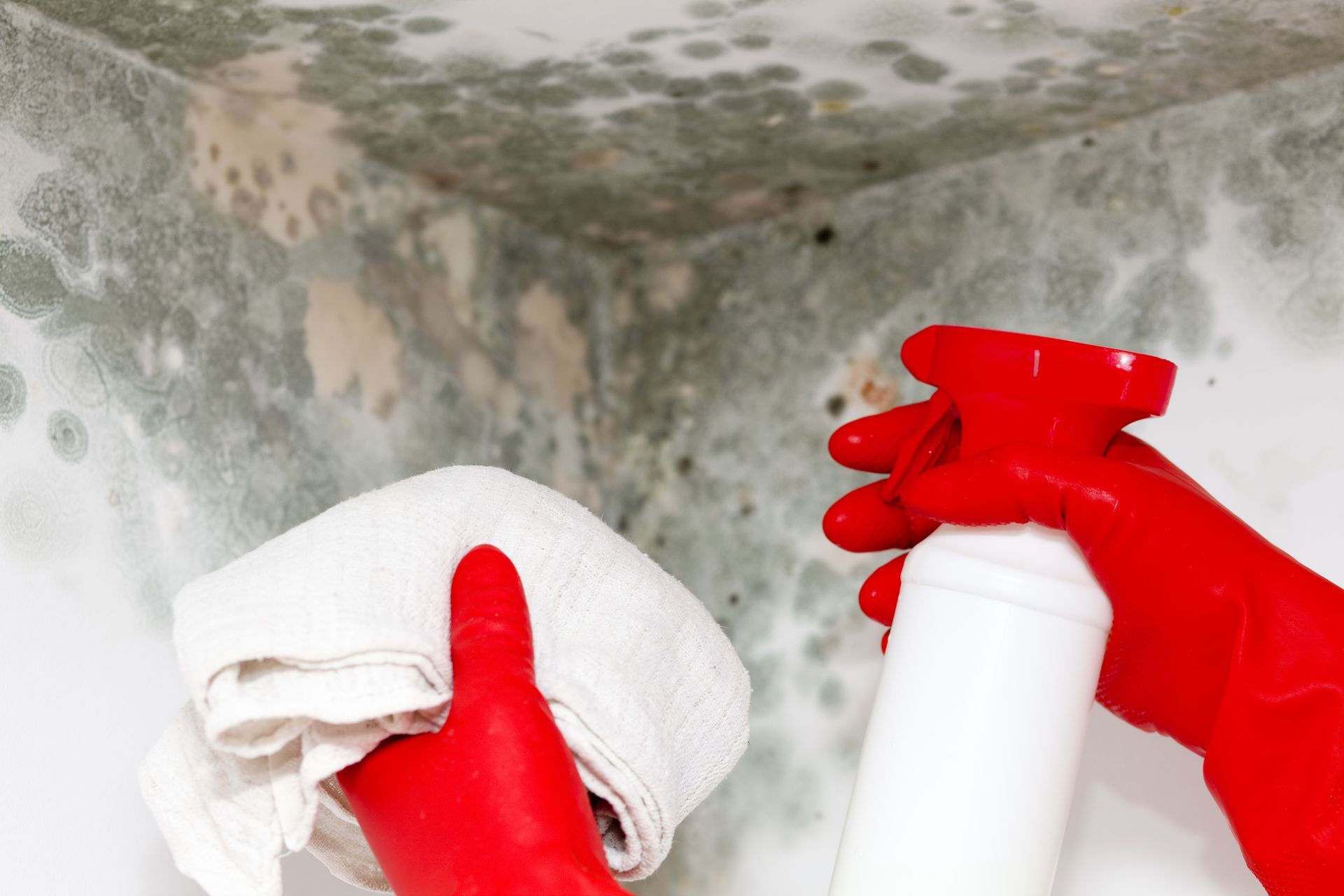
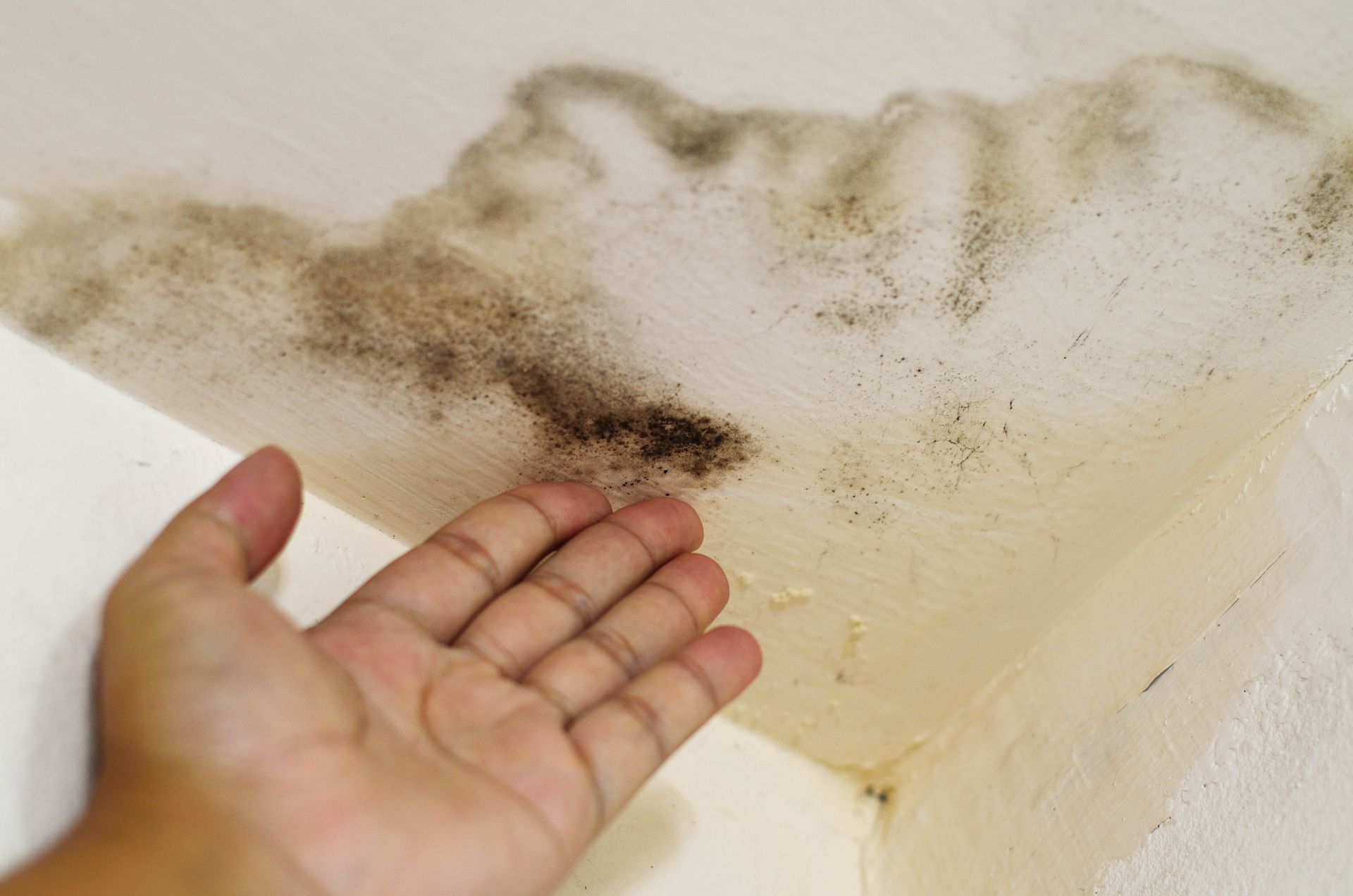
Mold often appears as irregular spots or patches on walls, ceilings, floors, and other surfaces. Its coloring can vary from white and gray to green, brown, or black. Some varieties have a fuzzy appearance, while others create discoloration that resembles ordinary staining.
A persistent musty smell is another common indication of potential mold growth. These odors may develop when fungal colonies become established in enclosed or poorly ventilated spaces. Even when visible mold is absent, unpleasant smells can suggest hidden moisture or contamination.
Identifying Water Damage and Air Quality Changes
Properties that have experienced flooding, roof leaks, or plumbing failures may face an increased risk of mold development. Water can penetrate porous materials and remain trapped long after visible surfaces appear dry. A qualified mold removal company can inspect areas with a history of water intrusion and determine whether remediation is necessary.
Persistent odors and recurring respiratory irritation may also indicate indoor air quality concerns. Although these symptoms can have several causes, mold should be considered when moisture problems are present. Professional assessments can include moisture measurements and visual inspections to help identify contamination.
Understanding Professional Mold Inspection and Remediation
Once mold is suspected, determining the extent of the problem is an important next step. Professional evaluations by a mold removal company can identify affected materials, locate moisture sources, and establish the scope of necessary remediation. This process is especially important when contamination extends beyond visible surfaces.
Evaluating Contamination and Removing Mold
A professional inspection typically begins with an examination of areas showing visible growth, water damage, or other warning signs. Inspectors may also evaluate nearby building materials and concealed spaces where moisture could have accumulated. This broader assessment helps determine whether the problem is limited to one area or extends throughout the property.
Depending on the severity of the infestation, remediation may require containment barriers, protective equipment, specialized filtration, and removal of contaminated materials. These procedures help prevent spores from spreading into unaffected areas during the process. The appropriate approach depends on the materials involved and the extent of growth. Working with an experienced mold removal company helps ensure that remediation addresses the actual contamination rather than simply concealing visible signs.
Preventing Moisture Problems and Recurring Mold Growth
Removing mold without correcting the underlying moisture problem can allow contamination to return. Plumbing leaks, damaged roofing, foundation seepage, and inadequate ventilation should all be evaluated when determining why mold developed. Identifying these contributing factors is essential for effective remediation.
Mold infestations can affect indoor air quality, damage building materials, and create ongoing concerns for property owners and occupants. Because mold can spread rapidly when moisture is present, recognizing warning signs and arranging professional attention are important steps in protecting a building. Addressing both contamination and its underlying moisture source can help prevent recurring problems. Clean Care of New England provides professional services to help property owners address mold concerns and restore healthier indoor environments. Contact Clean Care of New England to discuss your property's needs and learn how a mold removal company can help protect your building.