November 6, 2026
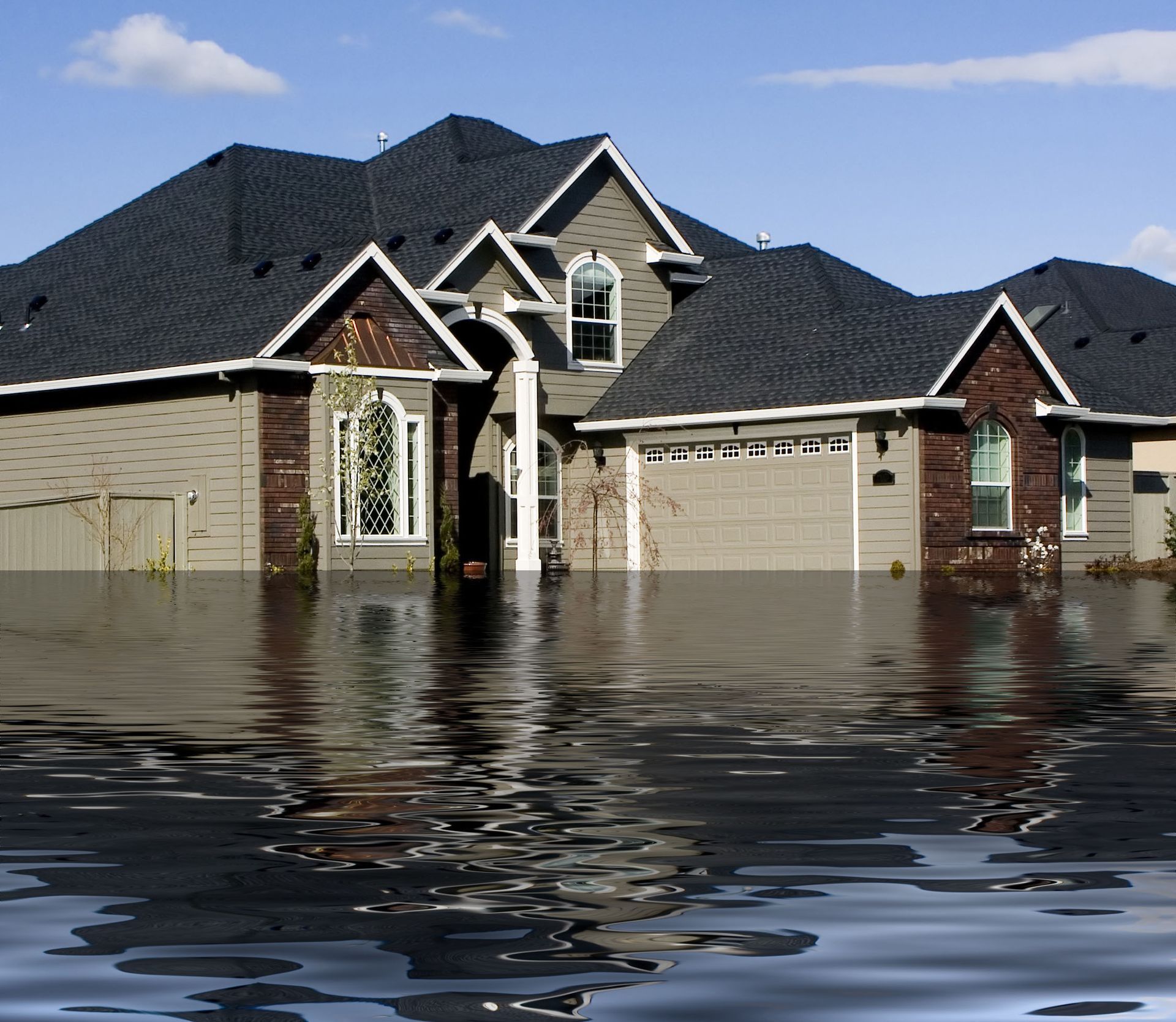
Experiencing flooding in your home can be overwhelming. Beyond the immediate damage, homeowners must navigate insurance claims, property assessments, and professional restoration services. Understanding how these processes work together can make recovery more manageable and help prevent additional complications.
At Clean Care of New England, we understand the importance of responding quickly and professionally to water-related emergencies. Working with experienced flood damage restoration companies can help homeowners address moisture problems, protect their property, and coordinate necessary documentation with insurance providers.
Understanding Professional Flood Damage Restoration
Understanding the Restoration Process
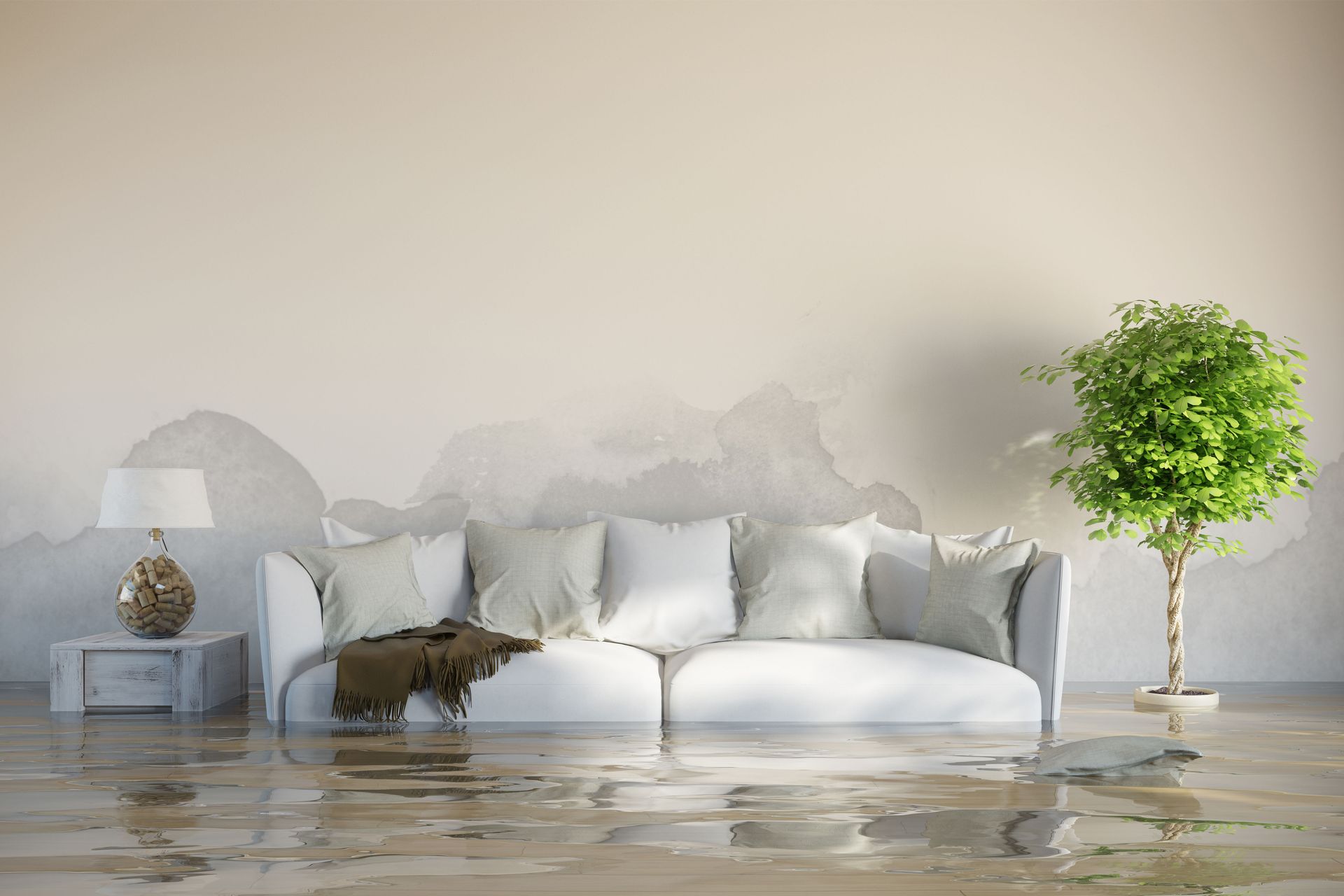
Flood restoration involves more than removing visible water. Moisture can penetrate flooring, drywall, insulation, and structural components, creating problems that may remain unnoticed without professional equipment.
According to RubyHome, about one in 60 insured homes makes a claim for water or freezing damage each year. This statistic highlights the importance of understanding professional restoration services and insurance procedures.
Experienced technicians evaluate affected materials, identify moisture accumulation, and develop restoration plans based on property conditions. Their work helps reduce the likelihood of additional deterioration while supporting a more efficient recovery.
Identifying Essential Restoration Services
Professional flood damage restoration companies provide specialized services designed to address different stages of water damage. These commonly include water extraction, structural drying, dehumidification, cleaning, and sanitization.
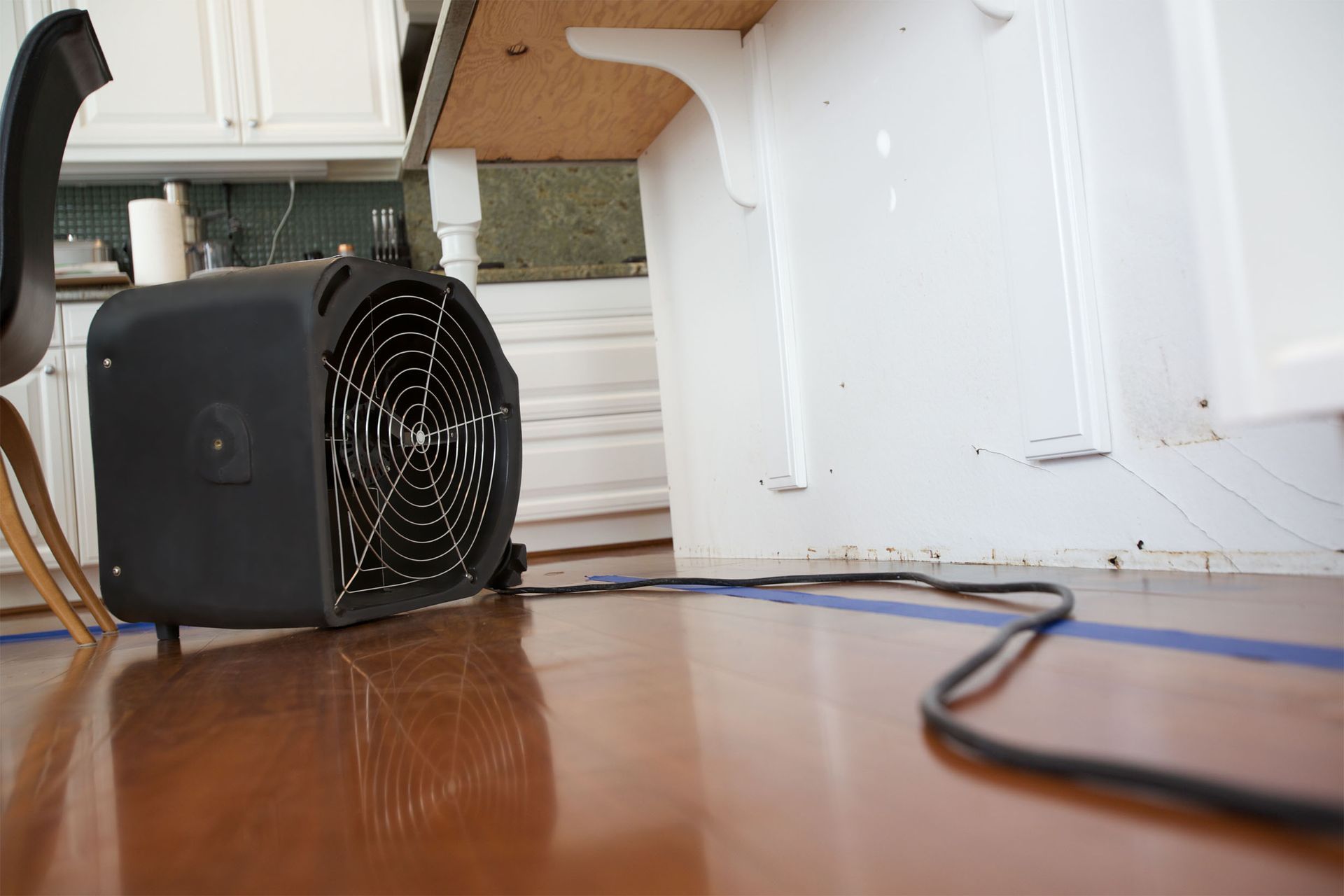
Water extraction equipment removes standing water, while commercial drying systems address moisture trapped within building materials. Technicians monitor humidity and moisture readings to determine whether additional treatment is necessary.
Depending on the circumstances, contaminated materials may require specialized handling or removal. Professional assessments help establish which components can be restored and which require replacement.
Selecting Qualified Restoration Professionals
Choosing a restoration provider requires evaluating experience, qualifications, responsiveness, and communication practices. Homeowners should consider whether technicians have relevant training and experience handling similar property damage.
Industry credentials, including certifications associated with the Institute of Inspection, Cleaning and Restoration Certification (IICRC), can demonstrate specialized knowledge. However, homeowners should verify individual qualifications rather than assume every company maintains the same certifications.
Reliable providers explain their assessment findings, proposed services, and anticipated timelines. Clear communication helps property owners understand what to expect throughout the restoration process.
Evaluating Restoration Costs and Estimates
Restoration expenses depend on the affected area's size, water contamination level, damaged materials, and required equipment. Extensive moisture penetration or structural deterioration can increase project complexity.
Reputable flood damage restoration companies assess property conditions before developing estimates. These evaluations help identify necessary services and explain potential expenses.
Insurance coverage may offset eligible restoration costs, although deductibles, exclusions, and policy limits can affect reimbursement. Homeowners should request clear estimates and discuss coverage questions directly with their insurance representatives.
Responding Safely After Property Flooding
Prioritizing Personal and Property Safety
Safety should remain the first consideration following flooding. Standing water may conceal electrical hazards, contaminated materials, or structural instability.
Homeowners should avoid entering affected areas when conditions appear unsafe. Emergency personnel or qualified professionals can determine whether additional precautions are necessary before restoration begins.
Floodwater may contain sewage, chemicals, or other hazardous substances. Professional evaluation is particularly important when the water source is unknown or contamination is suspected.
At Clean Care of New England, we encourage homeowners to prioritize their well-being and seek qualified assistance rather than attempting hazardous cleanup activities.
Documenting Visible and Hidden Damage
Accurate documentation supports communication between homeowners, restoration professionals, and insurance providers. Photographs, videos, and written descriptions can help establish the property's condition following an incident.
Documentation should include affected rooms, damaged belongings, and visible deterioration when these areas can be accessed safely.
Professional moisture assessments provide additional information about damage that photographs cannot capture. Technicians may use specialized instruments to identify moisture behind walls, beneath flooring, and within structural materials.
Maintaining organized records throughout the recovery process helps homeowners respond to insurance questions and understand restoration recommendations.
Preventing Additional Property Damage
Water damage can worsen when moisture remains trapped inside a building. Prompt professional intervention helps limit secondary deterioration and supports appropriate drying procedures.
Qualified flood damage restoration companies evaluate conditions before determining which stabilization measures are necessary. Depending on the damage, these may involve controlled water extraction, temporary protection, or specialized drying equipment.
Homeowners should notify their insurers promptly and ask about requirements for preventing additional losses. Any emergency measures should be coordinated with appropriate professionals, particularly when electrical or structural hazards exist.
Evaluating Damaged Materials and Belongings
Not every water-damaged item requires replacement, but restoration feasibility depends on material composition, contamination, and exposure duration.
Nonporous materials may sometimes be cleaned and restored, while saturated porous materials can present greater challenges. Carpeting, insulation, upholstered furniture, and drywall may require removal when contamination or deterioration makes restoration impractical.
Electronics and appliances exposed to water require qualified inspection before reuse.
Professional evaluations help homeowners distinguish between recoverable belongings and materials that cannot be safely restored. These findings also support more accurate insurance documentation.
Navigating Insurance Claims After Flooding
Reviewing Insurance Coverage and Exclusions
Insurance coverage varies depending on the source of water damage and the terms of the policy. Standard homeowners insurance generally excludes flooding caused by rising external water, although certain sudden and accidental internal water losses may be covered.
Separate flood insurance, including coverage available through the National Flood Insurance Program, may apply to qualifying flood-related losses.
Homeowners should review deductibles, coverage limits, exclusions, and reimbursement provisions with their insurance representatives.
Understanding the distinction between replacement cost and actual cash value is also important because depreciation can affect eligible payments.
Preparing and Submitting Insurance Claims
Promptly reporting damage allows insurers to explain claim requirements and arrange necessary assessments. Homeowners should provide accurate descriptions of the incident and preserve relevant documentation.
Photographs, inventories, receipts, and professional restoration estimates can help support the claim.
Many flood damage restoration companies provide documentation of affected areas, moisture conditions, and completed services. This information can help insurance representatives understand the scope of necessary work.
However, restoration providers do not determine coverage or guarantee claim approval. Final decisions remain subject to insurance policy provisions and insurer evaluations.
Communicating With Insurance Adjusters
Insurance adjusters assess reported losses, review supporting documentation, and evaluate claims according to applicable policy terms.
Homeowners should maintain communication with their assigned adjusters and provide requested information promptly. Clear records of conversations, inspections, and submitted documents can help prevent confusion.
Restoration professionals may communicate technical findings to adjusters when appropriate. Moisture readings, photographs, and service records can help explain why particular restoration procedures were recommended.
Coordinating these communications supports a more organized recovery experience without creating unrealistic expectations about reimbursement.
Avoiding Common Insurance Claim Problems
Incomplete documentation, delayed reporting, and misunderstandings about coverage can complicate insurance claims.
Homeowners should avoid assuming every type of water damage qualifies for reimbursement. Coverage often depends on how the incident occurred and whether specific exclusions apply.
It is also important to understand insurer requirements before discarding damaged belongings or authorizing extensive repairs, except when immediate action is necessary for safety or to prevent further damage.
Working with established flood damage restoration companies can help homeowners obtain clear service records and professional assessments that support the documentation process.
Planning for Long-Term Property Recovery
Confirming Proper Drying and Restoration
Successful restoration requires verifying that affected materials have reached appropriate moisture conditions. Surfaces may appear dry even when moisture remains beneath flooring or inside walls.
Professional technicians use moisture monitoring equipment and established drying procedures to evaluate progress.
A thorough final assessment helps identify unresolved concerns before reconstruction or finishing work proceeds. This reduces the possibility of concealing moisture problems beneath newly installed materials.
Preparing for Future Water Emergencies
Although flooding cannot always be prevented, understanding property vulnerabilities can improve emergency preparedness.
Homeowners may benefit from professional evaluations of drainage concerns, plumbing conditions, and previously affected areas. Reviewing insurance coverage periodically also helps identify potential protection gaps.
At Clean Care of New England, we recognize how disruptive water damage can be for homeowners and families. Our goal is to help property owners understand the restoration process and the importance of timely professional care.
When unexpected water damage occurs, choosing experienced flood damage restoration companies can make a meaningful difference in protecting your property and organizing recovery efforts. Contact Clean Care of New England to discuss your restoration needs and learn more about professional assistance following water damage.