November 8, 2026
Black mold is a silent threat lurking inside many homes, remaining unnoticed until serious issues develop. Because fungal growth starts of sight, homeowners frequently overlook early warning signs, leading to health risks and costly repairs later. Prompt black mold removal serves as a vital step in protecting well-being and property value.
Understanding the scope of toxic fungal growth is critical for every property owner. Proactive maintenance decisions prevent minor dampness from escalating into severe environmental crises. Delaying necessary repairs degrades indoor air quality and puts residents at risk. Taking action quickly eliminates dangerous contaminants before they spread throughout wall cavities, ceilings, and flooring.
Understand the Serious Health Risks of Exposure
Exposure to fungal spores causes respiratory issues. Sensitive occupants often experience persistent coughing, sneezing, nasal congestion, and skin irritation that worsen conditions like asthma. Medical research confirms that toxic spores irritate lung tissue and impair breathing capacity. Microcontaminants also generate hazardous mycotoxins that create complex health complications for household occupants.
Vulnerable populations experience severe consequences in contaminated environments. Children, seniors, and individuals with compromised immune systems face heightened risks because their immune defenses struggle against airborne toxins. In young children, exposure can impair physical development, while seniors face severe respiratory distress. Timely black mold removal eliminates these environmental hazards, protecting fragile residents from ongoing medical complications.
Spore exposure ranges from minor allergic reactions to severe chronic conditions. Mild eye irritation or a runny nose can quickly evolve into systemic inflammation if left unaddressed. Unmanaged fungal growth introduces serious legal liabilities and financial burdens for property owners through tenant disputes, workplace absenteeism, and unexpected medical bills.
Recognize the Primary Causes of Home Contamination
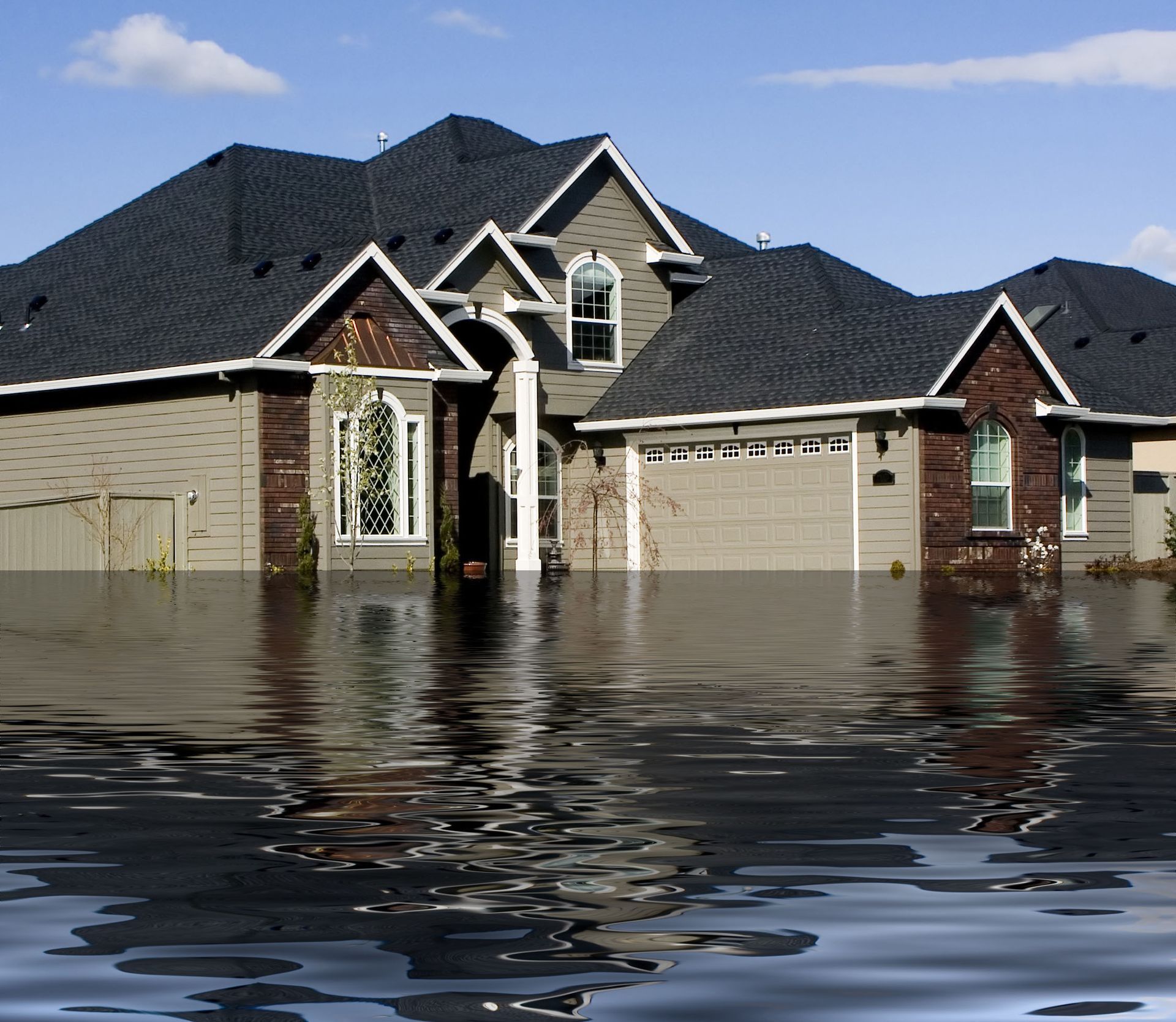
Excess moisture serves as the primary driver of fungal development, creating ideal conditions for spores to multiply. High humidity, plumbing leaks, roof failures, and flooding create environments where colonies thrive. Everyday activities like cooking and showering release moisture into the air. Without proper ventilation, trapped humidity creates a fertile environment for hidden fungal growth.
Unseen moisture frequently collects in areas with limited airflow or natural light. According to EarthWeb's Mold Statistics report, an estimated 70% of homes contain mold, which can remain hidden behind walls, in ceilings, and under carpets for years before detection. Bathrooms, basements, and crawl spaces represent primary risk zones where hidden colonies expand unnoticed.
Fungal infestations progress through distinct stages, starting when microscopic spores land on damp structural materials. Once established, organisms germinate and form visible colonies that digest organic drywall and framing wood. As colonies mature, they release new spores into the indoor air supply. Investing in black mold removal during early infestation stages prevents extensive structural damage.
Inspect the Hidden Vulnerabilities in Your Structure
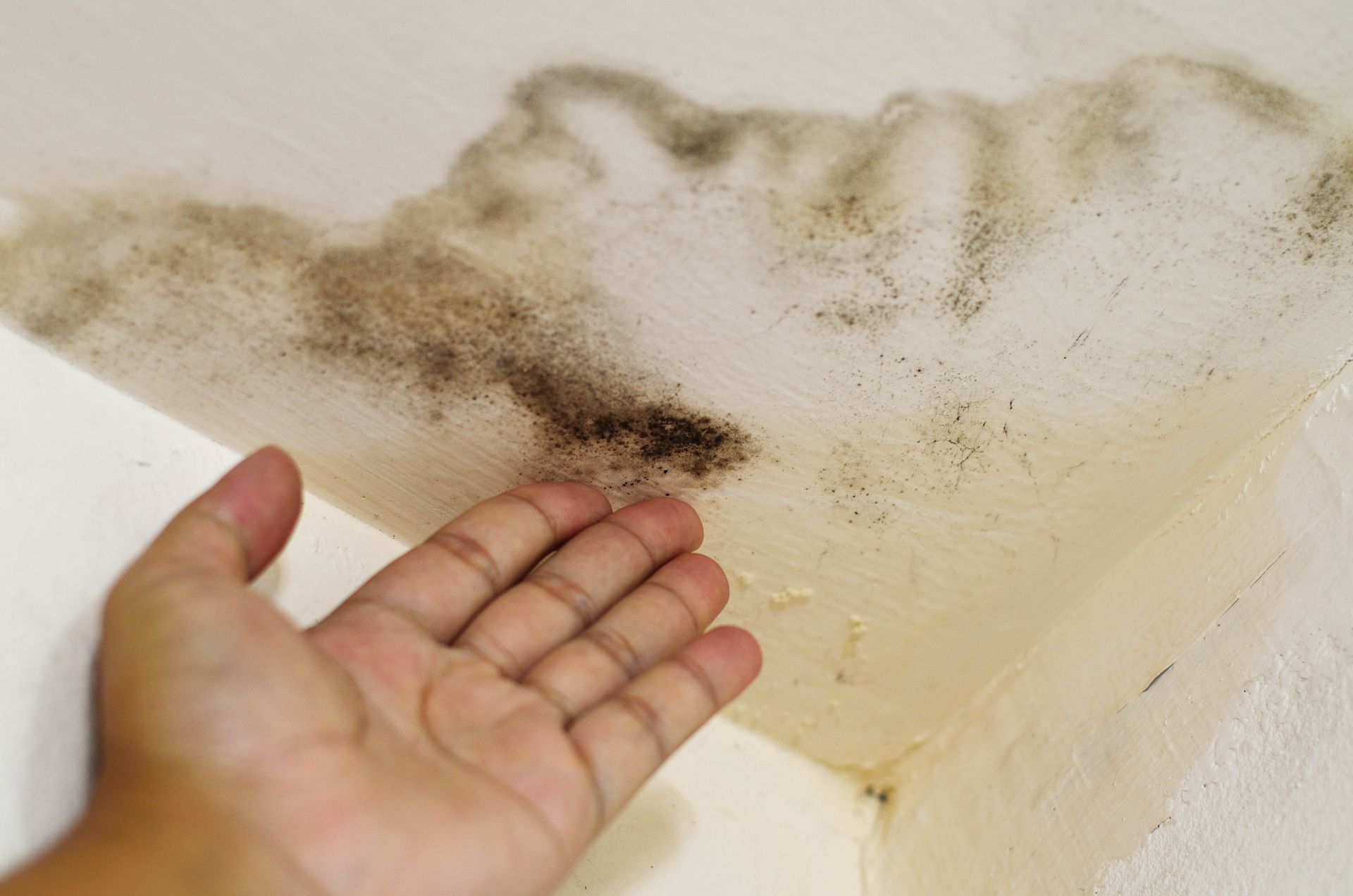
Detecting fungal presence early requires recognizing key warning signs before visible colonies appear. Musty odors, dark wall discolorations, peeling paint, and unexplained allergic symptoms indicate active growth inside structural cavities. Water stains or warped flooring suggest hidden moisture pockets that foster spore proliferation. Regular home assessments allow property owners to identify warning signs.
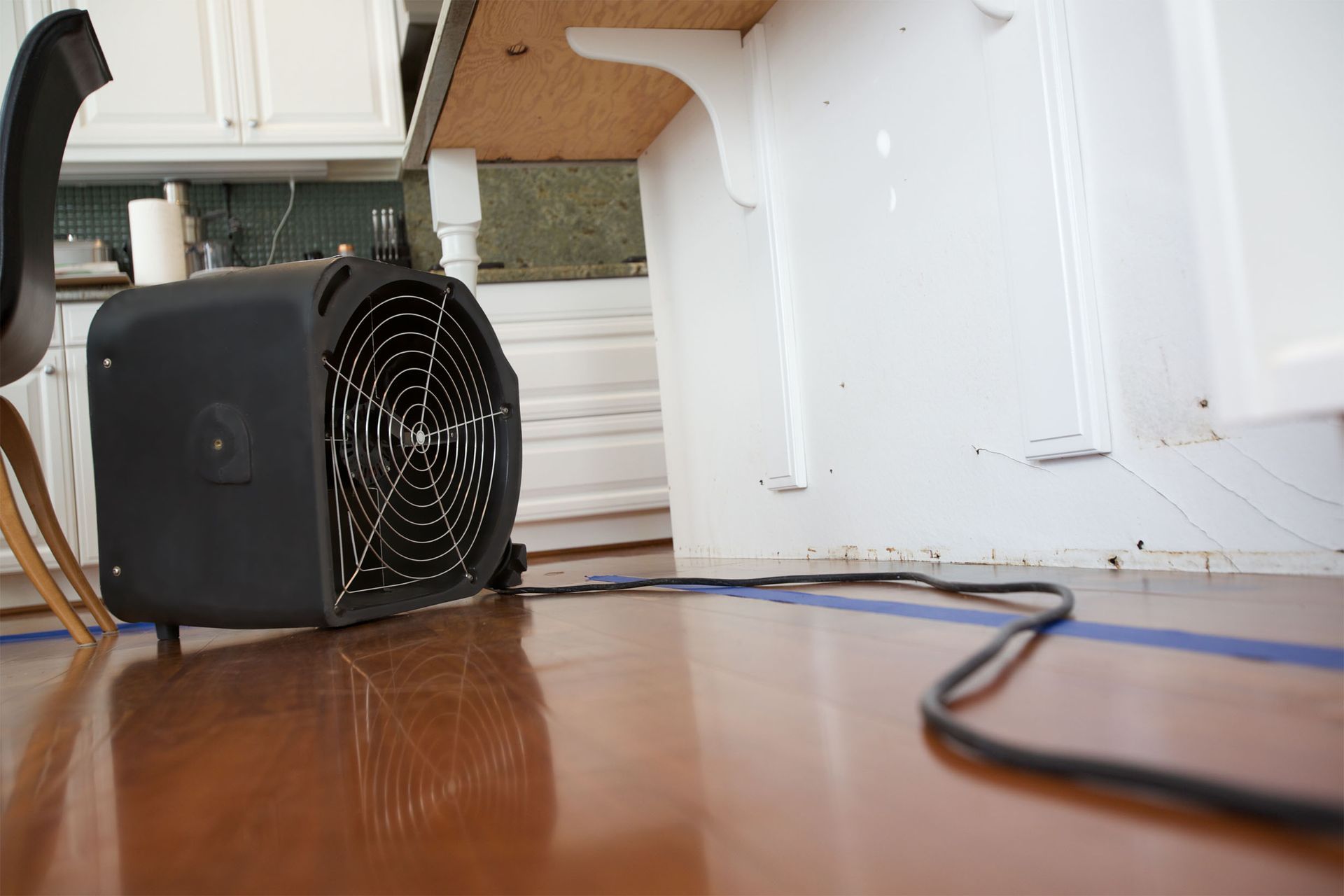
Managing indoor moisture involves implementing effective maintenance routines and installing climate control equipment. Running dehumidifiers and operating exhaust fans reduce ambient humidity. Fixing leaky plumbing fixtures immediately prevents moisture from saturating wooden framing and insulation. These proactive measures eliminate damp conditions required for toxic fungal spores to establish colonies.
Professional assessment tools offer precise identification of hidden fungal colonies across contaminated properties. Environmental specialists utilize moisture meters, thermal imaging cameras, and air sampling devices to pinpoint exact locations of active growth. Professional evaluation categorizes specific fungal species, helping property owners formulate targeted plans. Standardized black mold removal protocols ensure inspectors identify every hidden source of contamination.
Execute the Proper Remediation Steps Immediately
Choosing the correct cleanup strategy depends on the overall scope and severity of contamination. While minor surface issues might seem manageable through household cleaning, extensive infestations demand professional intervention. Contractors possess industrial equipment, protective gear, and proven procedures required to eradicate fungal networks. Professional black mold removal guarantees thorough remediation while protecting residents from accidental exposure.
Isolating contaminated zones prevents microscopic spores from migrating into clean living areas during remediation work. Technicians set up plastic barriers, seal vents, and operate negative air pressure systems. Workers wear personal protective equipment, including respirators and protective suits, to ensure safety. Containing affected work zones protects uninfected spaces, preserving overall indoor air quality.
Eradicating fungal growth involves specialized cleaning solutions, industrial vacuuming equipment, and removing compromised building materials. Saturated drywall, ceiling tiles, and carpet padding often require complete structural removal and replacement. Following physical remediation, post-cleanup validation checks confirm that spore counts return to safe baseline levels. Air quality testing provides peace of mind, ensuring living spaces remain safe.
Protect Your Property Value and Financial Health
Addressing environmental hazards quickly saves property owners significant money over time. While remediation services require an initial investment, delaying repairs leads to massive structural damage and escalating bills. Prolonged fungal growth rots wooden beams, ruins insulation, and destroys interior finishes. Prompt intervention stops structural deterioration early, preserving overall property value and preventing catastrophic financial loss.
Understanding insurance coverage options helps homeowners navigate the financial aspects of environmental restoration. Some policies cover remediation expenses if damage stems from sudden covered incidents like burst pipes. Standard policies often exclude long-term maintenance neglect or flood-related moisture, requiring supplemental coverage riders. Scheduling black mold removal as soon as moisture problems arise ensures compliance with policy terms.
Unaddressed fungal contamination drastically reduces real estate values and alienates prospective home buyers. Disclosing known environmental hazards is required by property disclosure laws, making unmanaged infestations a major obstacle during sales. Potential buyers routinely walk away from contaminated properties or demand price reductions to cover cleanup costs. Proactive remediation protects property investments, maintaining strong resale potential.
Maintain a Safe Living Environment Long Term
Misconceptions surrounding fungal growth often prevent property owners from taking appropriate action. A common myth suggests wiping down surface spots resolves the problem, ignoring hidden colonies inside wall cavities. Headlines sometimes sensationalize environmental issues, creating unnecessary panic rather than practical solutions. Scheduling black mold removal clears away misleading myths, replacing fear with science-based remediation protocols.
Establishing long-term prevention strategies involves continuous monitoring and implementing advanced building materials. Using mold-resistant drywall, paints, and insulation during renovations provides built-in protection against future growth. Directing outdoor surface drainage away from foundation walls prevents moisture from seeping into lower areas. Modern building techniques combine smart design with climate controls to maintain healthy spaces.
Community resources and professional partnerships offer valuable guidance for maintaining mold-free living spaces. Engaging with local health departments and environmental specialists equips homeowners with practical knowledge and ongoing support. Establishing routine structural inspection schedules ensures that water leaks or humidity spikes are addressed before colonies take root. Taking action early safeguards your household, ensuring living spaces remain clean and sound.
Delaying environmental repairs exposes your household to unnecessary health risks and severe financial burdens. Fungal growth damages structural building materials, reduces property value, and compromises indoor air quality when left unmanaged. Prompt remediation addresses root causes of moisture, restoring safe living conditions and protecting real estate investments. Prioritizing structural repairs ensures a healthy home environment for your entire family.
Protecting your residence requires constant vigilance, effective moisture management, and reliable professional support. When facing environmental challenges, experts offer the specialized tools and procedures necessary for complete peace of mind. Please contact us at Clean Care of New England so we can help you eliminate dangerous fungal growth and restore a safe living space for your family.